
Explaining Chinese Buzzwords Behind the Memes and Laughter
- Date:
- Views:245
- Source:The Silk Road Echo
If you've scrolled through Chinese social media lately, you've probably seen phrases like '内卷' (nèijuǎn) or '躺平' (tǎngpíng) popping up—often with a meme, a sarcastic emoji, or a dramatic selfie. But beyond the humor lies a cultural pulse, a reflection of societal stress, youth rebellion, and digital creativity. Let’s decode the most viral Chinese buzzwords that are more than just internet slang—they’re social commentary wrapped in wit.
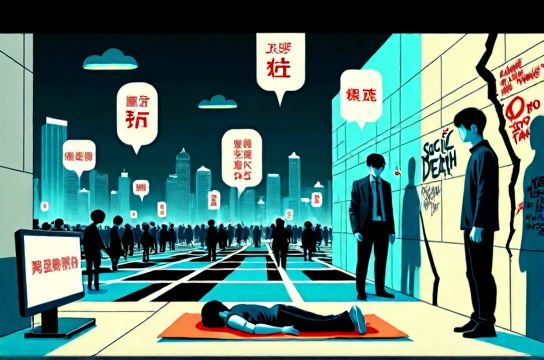
Why Do These Words Go Viral?
In China’s hyper-connected digital world, young people use irony and satire to cope with pressure—from sky-high housing costs to the 996 work culture (9 a.m.–9 p.m., 6 days a week). These buzzwords aren’t just trendy; they’re survival tools. According to a 2023 survey by Tencent, over 68% of urban millennials engage with online slang daily, using it as both identity markers and emotional release.
The Top 5 Chinese Buzzwords Decoded
| Buzzword | Literal Meaning | Cultural Context | Example Usage |
|---|---|---|---|
| 内卷 (nèijuǎn) | Involution | Endless competition with no real progress—e.g., working late just because others do. | "I stayed until 10 PM, but my colleague stayed until 11. 内卷 life!" |
| 躺平 (tǎngpíng) | Lying flat | Rejecting societal pressure to overachieve; opting for minimal effort. | "Promotion? Nah, I’m 躺平 this year. My couch is winning." |
| 打工人 (dǎgōng rén) | Working stiff / Laborer | Sarcastic self-label for anyone stuck in the grind. | "Good morning, fellow 打工人! Coffee in one hand, existential dread in the other." |
| 社死 (shè sǐ) | Social death | That moment when embarrassment makes you want to vanish—like replying all to a company email. | "I called my teacher 'Mom' in front of the class... total 社死." |
| 破防 (pò fáng) | Emotional armor broken | When something hits so hard emotionally—sadness, cuteness, nostalgia—you can’t stay composed. | "That puppy video? Instant 破防. I’m not crying, you’re crying!" |
From Slang to Social Movement
Take 躺平. What started as a joke evolved into a low-key protest against burnout culture. In 2021, a viral post titled 'I Choose to Lie Flat' described a man living on $300/month, rejecting career ambitions. It sparked national debate—and even state media commentary warning against "negative energy." Yet, the term persists, symbolizing quiet resistance.
Similarly, 内卷 exposes the absurdity of competitive excess. A 2022 study by Peking University found that 74% of college students feel trapped in academic 内卷—studying longer hours without better outcomes. It’s not laziness; it’s exhaustion from a system that rewards effort over results.
Why Should You Care?
These words aren’t just linguistic quirks. They reveal how a generation navigates mental health, ambition, and identity under pressure. For marketers, understanding them means connecting authentically. For travelers, they offer insight into modern Chinese mindset. And for anyone online? They’re a reminder that humor often masks deeper truths.
So next time you see a Chinese netizen say '我破防了', know it’s not just "I’m emotional"—it’s "This moment cracked me open." That’s the power of language: turning pain into punchlines, and memes into meaning.