
From Ironic Jokes to National Memes Meme Culture China Journey
- Date:
- Views:282
- Source:The Silk Road Echo
If you've scrolled through Chinese social media lately, you know—meme culture in China isn’t just funny, it’s functional. From sarcastic office workers dodging overtime with a well-placed panda face to students using 'emo' frog GIFs to protest exam stress, internet humor has become a language of resistance, identity, and connection.
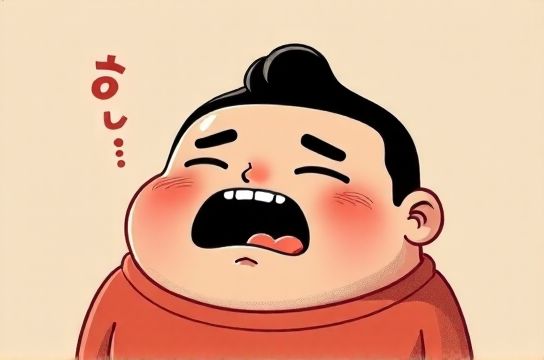
But how did we get here? Let’s dive into the wild ride of meme evolution in China—from ironic jokes in early forums to full-blown national memes that shape public sentiment.
The Birth of Irony: BBS and Early Forums
In the early 2000s, before WeChat or Douyin, Chinese netizens gathered on BBS (Bulletin Board Systems) like Tianya and Mop. These were the breeding grounds for irony. One of the first viral memes? “Grass Mud Horse”—a pun on a phrase that sounds like a vulgar insult but translates to “grass mud horse.” It was absurd, ridiculous, and subtly rebellious. In fact, it became a symbol of coded dissent against censorship.
Fast forward to the 2010s, and image macros took over. Enter the era of “Emo Frog” (aka Tuzki), Peng You (the angry little bear), and Doge-inspired poodles with broken English captions. These weren’t just cute—they were emotional outlets in a high-pressure society.
Memes as Social Commentary
In China, memes do more than make you laugh—they help people cope. Consider the term “Neijuan” (involution), which went viral around 2020. It describes the exhausting rat race in education and work. The meme? A cartoon figure running on a hamster wheel labeled “996.” Another popular one shows a student with dead fish eyes saying, “I’m not tired, I can keep going.”
Then came “Tang Ping” (lying flat)—a movement rejecting hustle culture. Memes showed people napping under desks or floating in space with the caption: “Why climb when you can float?” These weren’t just jokes; they were cultural critiques wrapped in humor.
Data Dive: The Rise of Meme Engagement
Check out this snapshot of meme-related engagement on major Chinese platforms:
| Platform | Monthly Active Users (2023) | % Using Memes Daily | Top Meme Theme |
|---|---|---|---|
| 580M | 67% | Satire & Politics | |
| Douyin | 750M | 82% | Lifestyle & Emotion |
| Bilibili | 315M | 76% | Anime & Youth Culture |
| WeChat Moments | 1.2B | 54% | Relatable Humor |
As you can see, meme usage is sky-high—especially among Gen Z and millennials who use them to express everything from burnout to love.
Why Chinese Memes Are Unique
Unlike Western memes that often rely on pop culture references, Chinese memes thrive on linguistic play, visual metaphor, and social nuance. Homophones, puns, and censored phrases morph into inside jokes. For example, saying “baifa qinvlang” (white-haired girl) might seem innocent—but in meme context, it could reference a controversial celebrity, bypassing content filters.
Also, local characters dominate. Think Xiong Chumo (the chubby bear), Jin Ka Ba La (a melon-headed dude), or even real-life figures like Jack Ma reimagined as a wandering monk post-regulation crackdown.
The Future: Memes as Cultural Currency
Memes in China are no longer just digital doodles—they’re part of the national conversation. Brands use them in ads, politicians get roasted in comic strips, and schools even discuss meme ethics in digital literacy classes.
As long as pressure exists, humor will evolve. And as long as young people have smartphones, expect more ironic frogs, sleepy pandas, and quiet acts of rebellion—one meme at a time.