
Humor and Irony in Meme Culture China Explained Simply
- Date:
- Views:227
- Source:The Silk Road Echo
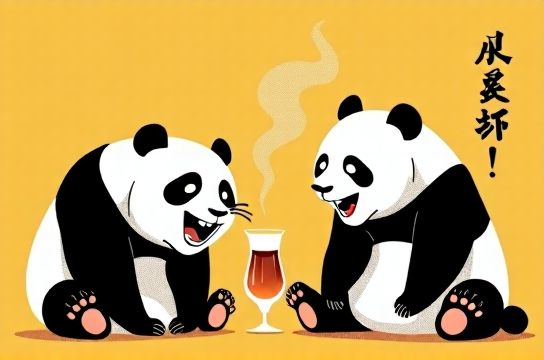
If you've spent five minutes scrolling through Chinese social media, you’ve probably seen it: a panda facepalming, a grumpy uncle raising an eyebrow, or someone captioning a duck with existential dread. Welcome to the wild, weird, and wonderfully ironic world of Chinese meme culture. It’s not just about laughs—it’s a digital survival toolkit packed with humor, satire, and subtle rebellion.
The Secret Language of Chinese Memes
In China, where online censorship is real and ever-present, memes have become the ultimate form of coded communication. Users swap political commentary for absurdity, turning frustration into frog comics and state propaganda into parody gold. This isn’t just random silliness—it’s irony as resistance.
Take the iconic “Grass Mud Horse” (草泥马), which sounds like a famous Mandarin curse but translates to “grass mud horse.” It became a viral symbol after a 2009 internet campaign mocking censorship. Suddenly, videos of alpacas in turtlenecks flooded Bilibili. Coincidence? Absolutely not.
Why Humor Works Where Words Fail
When direct criticism gets posts deleted, humor slips through the cracks. Memes use surreal visuals, wordplay, and exaggerated emotions to say what can't be said outright. Platforms like Weibo, Douyin, and Bilibili are playgrounds for this linguistic jiu-jitsu.
According to a 2023 report by QuestMobile, over 780 million users in China engage with short video content monthly—most of it laced with meme-style humor. That’s not just entertainment; it’s cultural commentary disguised as comedy.
A Closer Look: Popular Meme Archetypes
Let’s break down some recurring characters in China’s meme universe:
| Meme Type | Origin Platform | Sample Use Case | Emotional Tone |
|---|---|---|---|
| Funny Uncle (抽象文化) | Bilibili | Satirizing serious news with deadpan delivery | Ironic detachment |
| Doge & Pandas | WeChat Moments | Softening awkward conversations | Playful evasion |
| Little Fatty (小胖) | Douyin | Mocking authority figures via exaggeration | Subversive joy |
| Emoji Battles (表情包大战) | QQ Groups | Settling arguments with absurd image spam | Chaotic humor |
These aren’t just jokes—they’re social rituals. Sending the right meme at the right time shows you’re in the know, part of the silent majority nodding behind the screen.
The Art of Saying Nothing (While Saying Everything)
Irony thrives on ambiguity. A photo of Xi’an’s terracotta warriors with captions like “Still waiting for my promotion after 2,000 years” might seem silly—but paired with rising youth unemployment (which hit 21.3% among ages 16–24 in 2023, per National Bureau of Statistics), it becomes a quiet cry for help wrapped in ancient armor.
This duality is key: the surface is goofy; the subtext is sharp. And because algorithms struggle to detect sarcasm, these memes often fly under the radar.
So, Why Should You Care?
Because Chinese meme culture isn’t just local internet slang—it’s a masterclass in digital resilience. It reveals how young people cope with pressure, navigate restrictions, and build community using laughter as armor.
For marketers, creators, or anyone trying to understand modern China, ignoring memes means missing the pulse of public sentiment. They’re not distractions—they’re diagnostics.
Next time you see a duck wearing sunglasses labeled “me pretending to be productive,” remember: it’s more than a joke. It’s a whisper in a language only the internet understands.