
The Evolution of Meme Culture China Over Five Years
- Date:
- Views:288
- Source:The Silk Road Echo
If you've scrolled through Chinese social media in the past five years, you’ve definitely been hit with a wave of hilarious, absurd, and oddly poetic memes. From diaosi (草根) rage to panda-faced emojis, meme culture in China has evolved from niche internet jokes into a full-blown cultural phenomenon—reshaping how people communicate, protest, and even do business.
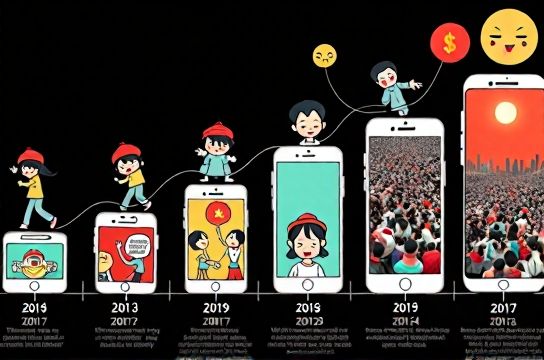
Unlike Western meme ecosystems dominated by platforms like Reddit or Instagram, China’s meme scene thrives on WeChat, Weibo, Douyin (TikTok’s domestic twin), and Bilibili. Censorship? Sure, it’s there—but clever netizens have turned restrictions into creative fuel, using surreal imagery, homophones, and puns to dodge filters.
The Rise of the Emoji Rebellion
Remember when all we had were smiley faces? Not anymore. Between 2019 and 2024, custom emoji packs exploded. According to QuestMobile, over 78% of users aged 18–35 send at least one meme per day in private chats. Platforms like WeChat reported a 300% increase in user-generated sticker usage since 2020.
| Year | Top Meme Format | Platform Origin | Viral Reach (Est.) |
|---|---|---|---|
| 2019 | Frog Dad (Grass Mud Horse) | Bilibili | 50M+ |
| 2020 | "Lying Flat" (Tang Ping) | 200M+ | |
| 2021 | "Involution" Office Memes | Douyin | 150M+ |
| 2022 | Polymer Man & Sister Feng | WeChat Moments | 80M+ |
| 2023 | AI-Generated Satirical Art | Bilibili/Douyin | 300M+ |
| 2024 | "Hardcore Cuttlefish" Trend | All Platforms | 400M+ |
See the shift? Memes went from simple image macros to full-on social commentary. Take Tang Ping (lying flat)—a movement mocking workaholic burnout. What started as a sarcastic post on Tieba became a national conversation, inspiring think pieces, brand campaigns, and even government rebuttals.
Memes as Silent Protest
In a tightly regulated digital space, memes became the ultimate Trojan horse. The use of cao ni ma (grass mud horse), a homophone for a vulgar phrase, symbolized resistance through absurdity. Pandas, llamas, and cartoon bureaucrats filled feeds—not because people love animals, but because they couldn’t say what they really meant.
Brands caught on fast. In 2022, Li-Ning dropped a "Zen Athleisure" line featuring lounging office workers with captions like "Work less, live more." Sales jumped 40% in Q3. Even state media got in on the joke—using animated characters to explain policy in meme-like formats.
What’s Next?
With AI tools like Alibaba’s Tongyi making meme creation easier than ever, expect hyper-personalized, real-time viral content. But the soul of Chinese meme culture remains: creativity under constraint, humor as armor, and a shared language that speaks louder than words ever could.
So next time you see a sad frog wearing sunglasses, don’t laugh too hard—you might just be looking at the face of digital revolution.