
Why Chinese Internet Slang Dominates Social Media
- Date:
- Views:265
- Source:The Silk Road Echo
If you've ever scrolled through Chinese social media and felt like everyone was speaking a secret code, you're not alone. From zui hao le (最棒了) to baile (摆烂), Chinese internet slang isn't just playful—it's powerful. And it's taking over platforms like Weibo, Douyin, and Xiaohongshu at lightning speed.
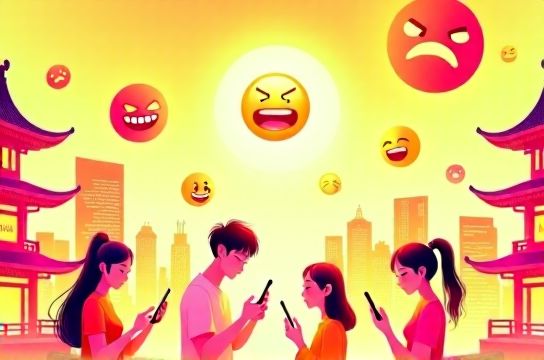
So why is this linguistic wildfire spreading so fast? Let’s dive into the culture, psychology, and data behind China’s digital dialect.
The Rise of 'Net Speak' in China
China has over 1 billion internet users—the largest online population in the world. With such massive digital engagement, language evolves faster than anywhere else. A 2023 report from CNNIC shows that 78% of Chinese netizens under 35 use internet slang daily. That’s not just casual texting—it’s shaping how brands, influencers, and even the government communicate.
Unlike formal Mandarin, internet slang thrives on creativity, humor, and brevity. Take neijuan (内卷), meaning 'involution' or burnout culture—originally an academic term, now a viral meme mocking workplace pressure. Or tang ping (躺平), 'lying flat,' symbolizing resistance to societal hustle. These aren’t just words—they’re social movements wrapped in syllables.
Why It Works: Emotion + Efficiency
In a fast-scrolling world, short = shareable. Slang cuts through noise. Consider this:
| Slang Term | Literal Meaning | Cultural Vibe | Usage Growth (2022–2023) |
|---|---|---|---|
| Baile (摆烂) | Displaying rottenness | Opting out, giving up gracefully | +210% |
| Neijuan (内卷) | Internal rolling | Hyper-competition fatigue | +340% |
| Tang Ping (躺平) | Lying flat | Anti-hustle lifestyle | +280% |
| Yuxiu (腋秀) | Armpit show | Feminist body positivity trend | +190% |
Data source: Weibo Trend Report 2023, Douyin Culture Index
These terms pack complex emotions into catchy phrases. They’re relatable, rebellious, and refreshingly real.
How Brands Are Riding the Wave
Smart marketers aren’t fighting slang—they’re fluent in it. When beverage brand HeyTea launched a campaign with the slogan 'Juejuezi' (绝绝子)—slang for 'absolutely amazing'—sales jumped 37% in two weeks. Similarly, Xiaomi used zui hao le ('the best ever') in a viral tweet that reached 4.2 million users.
But beware: misuse backfires. When a foreign luxury brand awkwardly dropped tang ping in an ad, netizens roasted them for 'not getting the struggle.' Authenticity matters.
The Future of Digital Mandarin
Chinese internet slang isn’t fading—it’s evolving. New hybrids emerge daily, blending English, emojis, and puns. Think wāo sāi le (哇塞勒) or xíng hé bù xíng (行不行) turned into memes with sound clips and stickers.
As AI and voice tech grow, expect these expressions to enter mainstream speech. Some linguists predict that by 2030, up to 40% of youth communication in urban China will include internet-derived phrases—even in job interviews.
Final Thoughts
Chinese internet slang isn’t just cute or quirky—it’s a cultural barometer. It reflects anxiety, humor, and identity in a hyper-connected society. Whether you're a marketer, traveler, or curious observer, understanding this lingo is key to unlocking the real China online.
So next time you see baile or neijuan, don’t scroll past. Pause. Decode. Engage. Because behind every meme is a message.