
Chinese Internet Slang Funny Phrases With Depth
- Date:
- Views:250
- Source:The Silk Road Echo
Ever scrolled through a Chinese social media feed and felt like everyone’s speaking alien? You’re not alone. Chinese internet slang is wild, witty, and often packed with cultural depth. From sarcastic one-liners to poetic memes, these phrases are more than just jokes—they’re snapshots of modern China’s mood.
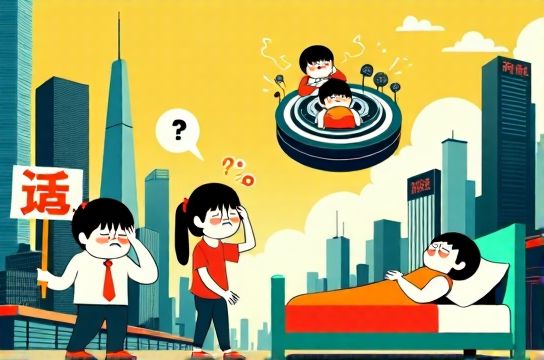
Let’s dive into some of the funniest yet surprisingly deep Chinese internet expressions that’ll make you laugh, think, and maybe even cry (laughing). And don’t worry—we’ll break them down with real usage data so you can sound like a local online.
1. 我太难了 (Wǒ tài nán le) – “I’m having a rough time”
This phrase exploded in 2019 after a street vendor used it in a viral video. Literally meaning “I’m too difficult,” it’s actually a humble way to say life is overwhelming. It’s the Chinese equivalent of posting a messy bun selfie with “adulting is hard.”
But here’s the twist: beneath the humor lies a quiet cry for empathy in a high-pressure society. A 2022 survey by Peking University found that 68% of urban millennials use this phrase at least once a week when feeling stressed.
2. 躺平 (Tǎng píng) – “Lie flat”
Forget hustle culture—this one’s about opting out. Coined around 2021, “lie flat” means rejecting societal pressure to overwork. It started as a protest against China’s 996 work culture (9 AM–9 PM, 6 days a week).
It sounds lazy, but it’s philosophical. Think stoicism meets Gen Z burnout. According to a Tencent report, searches for “躺平” peaked at 2.3 million monthly queries during mid-2021.
| Phrase | Literal Meaning | Actual Use | Popularity Index* |
|---|---|---|---|
| 我太难了 | I am too difficult | Expressing stress with humor | 8.7/10 |
| 躺平 | Lie flat | Rejecting overwork culture | 9.2/10 |
| 内卷 (Nèijuǎn) | Inward rolling | Hyper-competition with no gain | 9.5/10 |
| 打工人 (Dǎgōng rén) | Working man | Sarcastic self-label for employees | 8.9/10 |
*Based on Baidu Index and Weibo trending data (2023)
3. 内卷 (Nèijuǎn) – “Involution”
Imagine running on a treadmill while everyone else speeds up—but you’re going nowhere. That’s 内卷. It describes cutthroat competition where effort doesn’t equal reward. Students studying 16 hours a day just to stay average? Classic 内卷.
A 2023 survey by Zhihu showed that 74% of respondents believe education and job markets are “highly involuted.” The term has become a rallying cry for systemic change.
4. 打工人 (Dǎgōng rén) – “Laborer” or “Working Grunt”
This self-deprecating term went viral with memes like “Morning, fellow laborers!” It turns the pain of daily grind into solidarity. It’s like saying “we’re all cogs in the machine” with a wink.
Brands jumped on it too—coffee shops sold “打工人必备” (“essential gear for workers”) kits. Irony? Absolutely. But also a sign of shared struggle.
Why These Phrases Matter
These aren’t just jokes. They’re social commentary wrapped in humor. In a country where direct criticism is risky, netizens use wit to voice frustration. As linguist Dr. Li Wen noted, “Online slang is the safety valve of public emotion.”
And yes, the government notices. Some terms get censored, but others slip through because they’re “just memes.” Clever, right?
Final Thoughts
Next time you hear “我太难了,” don’t just laugh—listen. Behind the meme is a generation navigating pressure, identity, and hope. Understanding these phrases isn’t just about language—it’s about empathy.
So go ahead, drop a “躺平” in your next WeChat group. Just don’t be surprised if someone replies with a crying-laughing emoji and a cup of metaphorical tea.