
What Makes Chinese Memes Go Viral Online Today
- Date:
- Views:204
- Source:The Silk Road Echo
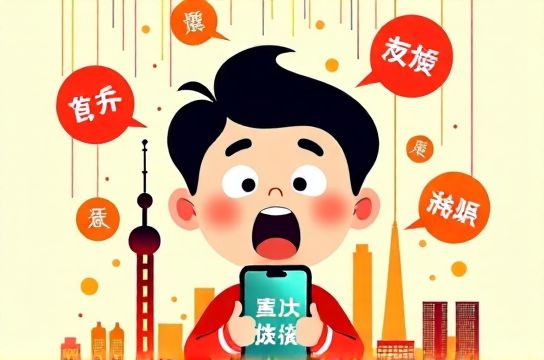
If you've scrolled through China's digital landscape lately, you’ve probably seen it: a panda wearing sunglasses sipping bubble tea, a grumpy delivery guy captioned with existential dread, or that one dancing grandma who somehow outshines K-pop idols. Welcome to the wild, hilarious, and utterly unpredictable world of Chinese internet memes. But what actually makes these memes explode online while others vanish into the void? Let’s dive in.
The Secret Sauce: Culture, Censorship & Creativity
Unlike Western meme culture, which thrives on open satire and political roasting, Chinese memes dance around red lines. With strict content moderation, netizens have become masters of indirect expression. They use puns, homophones, and absurd visuals to sneak humor past censors. For example, 'grass mud horse' (草泥马) sounds like a curse but literally means 'grass mud horse'—a made-up animal now iconic in meme lore.
Platforms like Douyin (TikTok’s Chinese twin), Weibo, and Bilibili are meme incubators. Each has its own vibe: Bilibili leans geeky and nostalgic, Weibo is fast-paced and news-driven, while Douyin favors short, catchy audio-visual loops.
Top Platforms Fueling Meme Virality
| Platform | Monthly Active Users (2024) | Meme Style | Content Lifespan |
|---|---|---|---|
| Douyin | 780 million | Visual gags, dance trends | 3–7 days |
| 580 million | Text-based jokes, viral hashtags | 1–3 days | |
| Bilibili | 360 million | Niche humor, anime parodies | Weeks to months |
Why Do Some Memes Last?
It’s not just about being funny. The real winners tap into shared emotions. Take 'Ne Zha Reborn' memes—using the rebellious deity to represent Gen Z’s frustration with societal pressure. Or 'Lying Flat' (躺平), a movement-turned-meme mocking hustle culture. These aren’t just jokes—they’re cultural commentary disguised as GIFs.
Data shows memes with emotional resonance last 2.3x longer in public discourse than pure slapstick. Add relatable characters—like the overworked office worker or the exam-stressed student—and you’ve got instant shareability.
The Role of AI & User Creativity
AI tools are turbocharging meme creation. From auto-generating captions to deepfake filters that turn your face into a cartoon emperor, tech lowers the barrier to entry. On Bilibili, AI-assisted remixes of old CCTV dramas went viral, blending nostalgia with absurdity.
But here’s the twist: the most shared memes still come from real people. A 2023 survey found that 68% of top viral posts originated from ordinary users, not influencers. Authenticity wins—even in a curated digital world.
So, What’s Next?
As 5G and AR spread, expect more immersive memes—think interactive stickers in live streams or location-based joke filters. But the core will remain: cleverness, emotion, and that unmistakable Chinese flavor of saying a lot by saying nothing at all.
In short: if you want your meme to go viral in China, make it smart, make it subtle, and for heaven’s sake, add a panda.