
Online Buzzwords China Hidden Meanings Revealed
- Date:
- Views:212
- Source:The Silk Road Echo
Ever scrolled through Chinese social media and felt like everyone’s speaking a secret code? You’re not alone. From 内卷 (nèijuǎn) to 躺平 (tǎngpíng), China’s internet is packed with buzzwords that sound quirky—but pack serious cultural weight. Let’s decode the lingo, uncover the stories behind the slang, and why these terms are more than just memes.
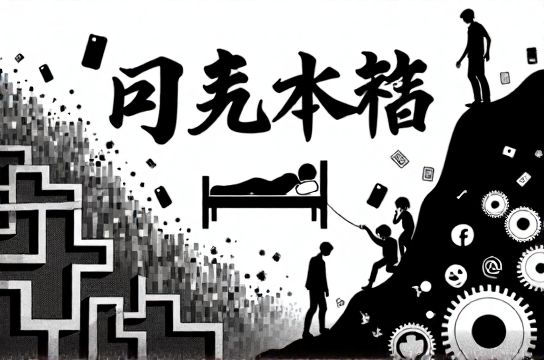
Why Chinese Net Slang Matters
China’s online population? Over 1.05 billion users. With platforms like Weibo, Douyin, and Xiaohongshu driving trends, netizens craft clever phrases to吐槽 (complain), cope, and connect. These aren’t just words—they’re emotional outlets in a fast-paced, high-pressure society.
Top 5 Must-Know Chinese Internet Buzzwords
1. 内卷 (Nèijuǎn) – Involution
Imagine studying 16 hours a day… only to find others studying 18. That’s nèijuǎn: a rat race where extra effort brings zero real gain. Originally an anthropological term, it now describes cutthroat competition in education, jobs, and even parenting.
2. 躺平 (Tǎngpíng) – Lie Flat
The anti-hustle movement. After years of burnout, young Chinese are saying “no” to overwork. Tǎngpíng means opting out of societal pressure—working less, spending less, living simply. It’s not laziness; it’s resistance.
3. 打工人 (Dǎgōng rén) – Laborer Life
Gone are the days of calling yourself a “white-collar worker.” Now, everyone’s a dǎgōng rén—a humble “laborer.” The term blends irony and solidarity. Morning selfies? Captioned with “Hello, fellow laborers!”
4. 凡尔赛 (Fán'ěrsài) – Versailles Flexing
Named after France’s Palace of Versailles, this describes humblebragging. “Ugh, my Ferrari broke down again—guess I’ll take the Lamborghini.” It’s satire with style, mocking those who flaunt wealth too subtly.
5. 栓Q (Shuān Q) – Thanks, But Make It Cringe
A mashup of “thank you” and heavy Chinese accent pronunciation. Popularized by a viral rural English teacher, shuān Q is now used sarcastically or humorously—often in absurd memes.
Cultural Pulse: What These Words Say About China
These buzzwords reflect deeper shifts:
- Youth anxiety under economic slowdown
- Satire as survival in a censored digital space
- Collective identity through shared struggle
They’re also a form of soft protest. When direct criticism is risky, sarcasm and wordplay become powerful tools.
Buzzword Breakdown: Quick Reference Table
| Buzzword | Pronunciation | Literal Meaning | Cultural Context |
|---|---|---|---|
| 内卷 | Nèijuǎn | Involution | Excessive competition with diminishing returns |
| 躺平 | Tǎngpíng | Lie Flat | Rejecting societal pressure to overachieve |
| 打工人 | Dǎgōng rén | Laborer | Ironic self-label for office workers |
| 凡尔赛 | Fán'ěrsài | Versailles | Humblebragging about wealth/status |
| 栓Q | Shuān Q | Thanks-Q | Sarcastic or humorous 'thank you' |
Final Thoughts
Chinese internet slang isn’t just playful—it’s poetic resistance. Each term tells a story of stress, satire, and survival. Whether you're researching culture, marketing, or just curious, understanding these words opens a window into modern China’s soul.
So next time you see 躺平, don’t just laugh—listen. There’s a generation whispering, 'We’re tired.' And they’re doing it in 2-character code.