
Exploring Meme Culture China Social Media Humor
- Date:
- Views:249
- Source:The Silk Road Echo
If you've scrolled through Chinese social media lately, you’ve probably seen a panda with sunglasses saying “我太难了” (I'm too difficult) or a grumpy cat version of Chairman Mao. Welcome to the wild, witty world of Chinese meme culture—a digital playground where humor meets censorship, creativity battles conformity, and every netizen is a potential viral artist.
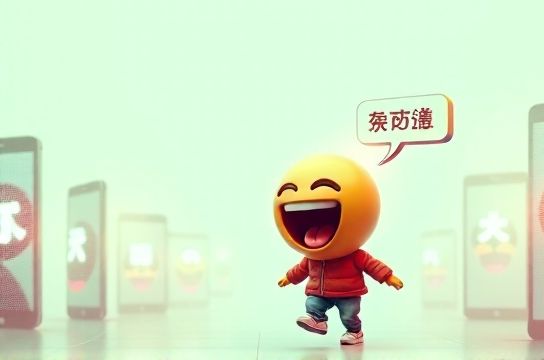
China’s internet, home to over 1.05 billion users (CNNIC, 2023), has developed its own unique meme ecosystem. Unlike Western memes that thrive on irony and absurdity, Chinese memes blend satire, wordplay, and visual puns—all while dancing around the Great Firewall.
The Rise of Guancha & Neijuan Memes
Two key themes dominate today’s meme scene: guancha (内卷), meaning 'involution'—the feeling of endless competition with no progress—and neijuan (躺平), or 'lying flat,' a passive resistance to hustle culture. These concepts aren’t just sociology terms—they’re meme gold.
A popular meme shows a cartoon office worker turning into a roasted sweet potato from stress, captioned: “卷到最后,只剩皮” (“After all the grinding, only the skin remains”). Dark? Yes. Relatable? Absolutely.
Top Platforms Fueling the Meme Machine
Different platforms breed different flavors of humor:
| Platform | User Base (2023) | Meme Style |
|---|---|---|
| 580 million | Satirical edits, celebrity roasting | |
| Douyin (TikTok China) | 700 million | Voiceovers, skits, trending audio |
| Bilibili | 330 million | Anime parodies, geek humor |
| Little Red Book (Xiaohongshu) | 260 million | Lifestyle satire, 'rich girl' parody |
Each platform adapts memes to its audience. Bilibili users love anime-style edits mocking exam pressure, while Xiaohongshu influencers ironically flaunt fake luxury lifestyles with captions like “My third Porsche this week~” while sitting in a shared bike.
The Art of Dodging Censors
So how do memes stay sharp under strict content controls? Visual metaphors and homophonic puns are the secret weapons.
- “River Crab” (河蟹, héxiè) sounds like “harmony” (和谐, héxié)—a coded jab at censorship.
- Pandas, dumplings, and even vegetables become political stand-ins. A meme showing a cabbage crying might symbolize public frustration—absurd on surface, deep underneath.
This linguistic creativity keeps memes alive. As one netizen put it: “If we can’t speak directly, we’ll laugh sideways.”
Why This Matters Beyond the Laughs
Memes aren’t just jokes—they’re social barometers. During the 2022 Shanghai lockdown, memes of people trading toilet paper for eggs went viral, capturing both scarcity and dark humor. They became digital diaries of collective stress.
Brands have taken notice. Alibaba once used a “crying onion” meme in a campaign, showing the veggie bawling because it was “too useful”—a nod to pandemic-era resilience.
Final Thoughts: More Than Just LOLs
Chinese meme culture is a masterclass in digital resistance, emotional release, and linguistic innovation. It’s where Gen Z vents about job markets, mocks authority softly, and builds community—one pixelated panda at a time.
So next time you see a meme of a sad steamed bun, don’t just laugh. Read between the lines. Because in China’s online world, humor isn’t just entertainment—it’s survival.