
Chinese Internet Slang Origins and Popularity Shifts
- Date:
- Views:235
- Source:The Silk Road Echo
Ever scrolled through a Chinese social media feed and felt like you’ve stumbled into a secret language? You’re not alone. From "XSWL" (笑死我了 – I’m dying of laughter) to "YYDS" (永远滴神 – eternal god), Chinese internet slang is evolving faster than anyone can keep up. But where do these quirky phrases come from, and why do they spread like wildfire?
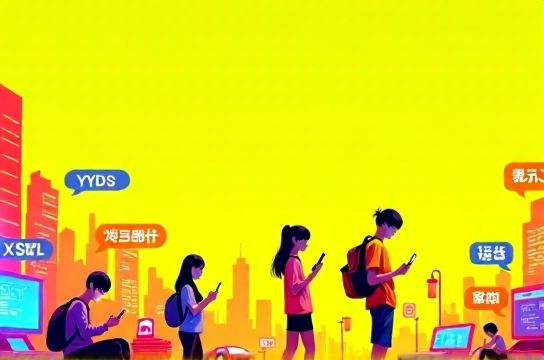
The truth is, Chinese netizens are linguistic innovators. With strict online censorship and character limits on platforms like Weibo and Xiaohongshu, users have turned creativity into survival. Acronyms, homophones, and meme-inspired puns aren’t just fun—they’re functional.
Take "996", for example. It started as shorthand for the grueling 9 a.m.–9 p.m., 6 days a week work culture—and exploded into a nationwide debate about labor rights. Or consider "Neijuan" (内卷), literally 'involution,' now used to describe cutthroat competition in education and jobs. These terms began online but quickly entered mainstream discourse.
But slang doesn’t last forever. Trends shift fast. A 2023 survey by iResearch showed that over 78% of popular internet phrases lose relevance within 12 months. Here’s a snapshot of how some iconic terms rose and fell:
| Slang Term | Meaning | Peak Popularity | Current Usage Trend |
|---|---|---|---|
| YYDS (永远滴神) | Eternal god/supreme legend | 2021–2022 | Declining – now seen as outdated |
| XSWL (笑死我了) | Dying of laughter | 2020–2021 | Stable – still widely used |
| Terrific (绝绝子) | Extremely awesome | 2022 | Falling out of favor – considered cringey |
| Involution (内卷) | Hyper-competitive burnout | 2021–2023 | Still strong – adopted in academia |
| Lie Flat (躺平) | Reject hustle culture | 2021 | Niche revival – resurging in youth circles |
So what drives these shifts? It’s a mix of cultural mood, platform algorithms, and generational identity. Gen Z users especially love coining ironic, self-deprecating terms as a form of emotional release. And once state media or influencers pick up a phrase, its lifespan often shortens—ironically because it’s no longer ‘cool.’
Looking ahead, expect more visual slang—emoji combos, voice memes, and even AI-generated expressions. The game is changing, but one thing stays the same: in China’s digital world, language isn’t just communication. It’s rebellion, humor, and identity—all packed into a few clever characters.