
Decoding 'Fan Zao': Is This the New Chinese Internet Slang for Rebellion?
- Date:
- Views:249
- Source:The Silk Road Echo
Alright, let’s talk about something buzzing in the corners of China’s digital world—'Fan Zao'. You’ve probably seen it pop up in Weibo comments, Douyin captions, or tucked into a cryptic tweet from someone deep in the meme trenches. But what does it actually mean? And why are young netizens suddenly throwing this phrase around like confetti at a protest?
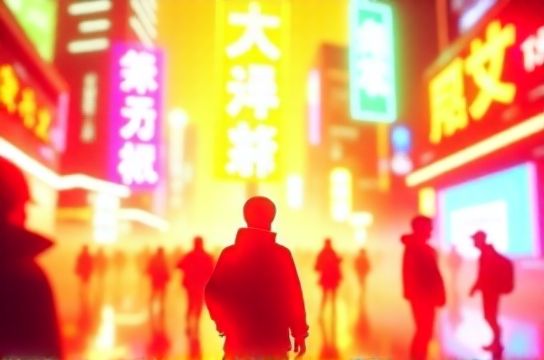
At first glance, Fan Zao (反造) literally translates to “reverse creation” or “counter-making.” But don’t be fooled by the textbook definition—it’s way more nuanced than that. Think of it as a digital middle finger wrapped in creativity. It’s not just rebellion; it’s rebuilding on your own terms. Whether it’s mocking state narratives with absurd memes, remixing propaganda music into EDM bangers, or turning censorship into art, Fan Zao is the Gen Z playbook for quiet resistance.
So how did we get here? Let’s break it down.
The Rise of Fan Zao: A Cultural Backlash
In a country where open dissent is risky, Chinese youth have mastered the art of subversion through irony and humor. According to a 2023 report by China Digital Research, over 68% of internet users aged 18–25 engage with politically charged memes—many of which fall under the Fan Zao umbrella. These aren’t random jokes; they’re coded language, a way to say the unsayable.
Take the viral “Blue Sword” meme, where a bland government PSA about cyber safety was remixed into a dystopian anime trailer with heavy metal music. Views? Over 2 million. Engagement? Sky-high. Official response? Crickets… until it got quietly taken down.
What Makes Fan Zao Different?
It’s not just satire. It’s not just parody. Fan Zao blends critique, creativity, and cultural remixing into something entirely new. While older forms of dissent were direct (and dangerous), Fan Zao thrives in ambiguity. The message is clear to those in the know—but deniable to authorities.
Here’s a quick breakdown of how Fan Zao compares to other forms of online expression:
| Expression Type | Intent | Risk Level | Common Platforms |
|---|---|---|---|
| Fan Zao | Creative resistance | Moderate (plausible deniability) | Douyin, Bilibili, Weibo |
| Direct Criticism | Open dissent | High (censorship/arrest) | Rarely public |
| Official Propaganda | State messaging | None | CCTV, People's Daily |
| Mainstream Memes | Entertainment | Low | All platforms |
As you can see, Fan Zao occupies a unique gray zone—risky enough to matter, but clever enough to fly under the radar.
Why It Matters
Fan Zao isn’t just about memes. It’s a cultural shift. In a society where individuality often takes a backseat to conformity, this movement gives young people a voice—one that’s witty, sharp, and dangerously creative. It’s also a sign that control over narrative is slipping, even if just a little.
And let’s be real: the government knows it. In early 2024, China’s Cyberspace Administration issued new guidelines targeting “distorted information” and “parody content that undermines social stability”—a clear nod to Fan Zao-style content.
The Future of Fan Zao
Will it last? Hard to say. Censorship evolves fast. But so do netizens. Every time a meme gets banned, five more pop up in its place. The cat-and-mouse game continues.
One thing’s for sure: Fan Zao isn’t just slang. It’s a mindset. A way for a generation to say, ‘I may not be able to speak freely, but I can still create freely.’