
When Memes Become Movements: Case Studies from Meme Culture China
- Date:
- Views:343
- Source:The Silk Road Echo
In the digital age, a simple joke can spark a revolution. In China, where internet censorship is tight and public discourse is often restricted, memes have become more than just viral jokes — they're tools of subtle resistance, cultural commentary, and sometimes, social movements. From sarcastic emojis to absurd animations, Chinese netizens have mastered the art of saying a lot by saying very little. Let’s dive into how meme culture in China has quietly turned humor into power.
The Rise of 'Grass Mud Horse' and the Birth of Digital Dissent
One of the earliest and most iconic examples is the "Grass Mud Horse" (草泥马), a pun on a vulgar phrase that sounds nearly identical in Mandarin. This fictional creature, depicted as an alpaca, became the mascot of online defiance during the late 2000s when the government cracked down on 'inappropriate' content. Netizens created entire mythologies around the Grass Mud Horse, complete with songs, videos, and even a 'protected species' status in the 'Baidu Encyclopedia.'
What started as a joke evolved into a symbol of resistance against censorship. By using homophones and absurd imagery, users bypassed keyword filters while making a bold statement about freedom of expression.
Meme Warfare: How Emojis and Images Speak Volumes
With text-based dissent quickly flagged, Chinese internet users turned to visuals. The "doge" meme, for example, was repurposed not for cuteness, but for satire. A Shiba Inu with broken English captions became a vehicle for mocking official narratives — especially during politically sensitive events.
Another powerful example is the use of Liu Genghong's fitness routines during Shanghai’s 2022 lockdown. What seemed like a harmless workout trend became a form of collective coping. Millions followed his TikTok-style live streams, turning exercise into a shared experience of resilience. It wasn’t just about health — it was about reclaiming control in a time of chaos.
Data Snapshot: The Power of Meme Engagement in China
While exact numbers are hard to track due to platform restrictions, here’s a rough estimate of meme-driven engagement during key events:
| Meme | Peak Visibility (Est.) | Platform | Purpose |
|---|---|---|---|
| Grass Mud Horse | Over 50 million views (2009–2012) | Baidu, Weibo | Censorship protest |
| Liu Genghong Fitness | 90 million+ livestream viewers (2022) | Douyin, Xiaohongshu | Social solidarity |
| "Lie Flat" (Tang Ping) Movement | 2.3 billion hashtag views | Weibo, Zhihu | Anti-hustle culture |
From Laughter to Legacy: When Memes Shape Real-World Change
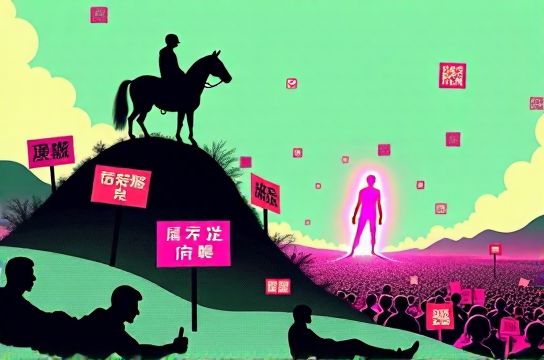
The "Lie Flat" (躺平) movement is perhaps the most profound case. Born from exhaustion with China’s grueling work culture, young people began posting images of themselves lying down, rejecting the pressure to overachieve. What looked like laziness was actually a cry for dignity, balance, and mental well-being.
This meme didn’t just trend — it entered mainstream discourse. State media responded, calling it 'pessimistic,' but the conversation had already shifted. Workers began demanding better conditions, and companies took notice. In a way, lying down became a stand.
Why This Matters
Memes in China are more than entertainment. They’re survival tactics, creative resistance, and community-building tools. In a space where words are monitored, absurdity becomes strategy. Humor becomes armor.
As global internet cultures evolve, we can learn from China’s netizens: sometimes, the loudest statements are made with a laughing emoji.