
How Gen Z Uses Emojis to Subvert Authority in Emotion Pack Culture
- Date:
- Views:250
- Source:The Silk Road Echo
In the digital age, emojis aren’t just cute little icons—they’re a full-blown language of rebellion. And no one’s wielding them better than Gen Z. From sarcastic eggplants 🍆 to passive-aggressive smiling cats 😼, young people are using emoji packs to quietly (and sometimes not-so-quietly) challenge authority, dodge emotional labor, and build subcultures right under adults’ noses.
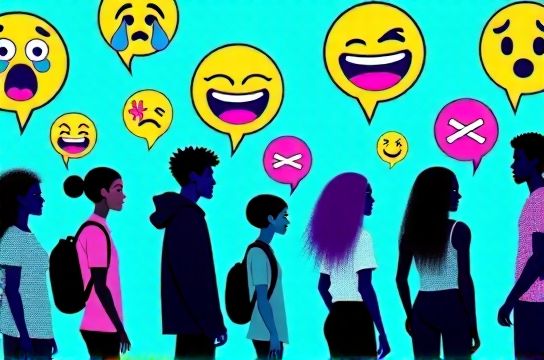
Forget formal emails or polite texts—Gen Z speaks in meme logic, irony, and layered visual cues. A single eye-roll emoji 👁️🗨️ can shut down a cringe conversation. Sending a crying-laughing face 🤣 after a boss’s unfunny joke? That’s not laughter—it’s survival.
The Hidden Grammar of Rebellion
Emojis have become Gen Z’s secret code. While older generations see a simple smiley 😊, Gen Z sees tone policing, emotional manipulation, or even corporate surveillance. That’s why they’ve flipped the script—using absurdity, exaggeration, and surreal sticker packs to express everything from exhaustion to defiance.
Take WeChat’s Doge pack—originally playful dogs with comic sans text. Now? It’s used to mock authority figures with exaggerated politeness: “Sure thing, boss! 🐶🙏🔥” The subtext screams sarcasm.
Data Doesn’t Lie: Emoji as Emotional Armor
A 2023 Pew Research study found that 78% of teens use emojis to avoid direct confrontation. Meanwhile, 63% admitted to using ironic stickers to deflect adult questions like “How was school?” or “Why are you on your phone?”
| Emoji/Sticker | Surface Meaning | Gen Z Subtext |
|---|---|---|
| 🫠 (Melting Face) | Overheated | I’m emotionally done. Leave me alone. |
| 🥲 (Smiling Face with Tear) | Sad but sweet | I’m suffering but I’ll smile so you stop asking. |
| 💅 (Nail Polish) | Glamour | I don’t care—and I look good ignoring you. |
| 🐒 (Monkey Covering Eyes) | Naughty fun | I saw what you did… and I’m judging you silently. |
From Cute to Covert: How Sticker Packs Became Resistance Tools
Platforms like LINE, WeChat, and Instagram have turned sticker shops into cultural battlegrounds. Official corporate packs promote harmony and positivity—but Gen Z downloads indie creators’ work: glitchy raccoons, existential dumplings, or crying businessmen. These aren’t random; they’re satire.
One popular pack, “Sad Office Goblin,” features a tiny creature sobbing at a desk. Teens send it when parents ask about grades. It’s not literal—it’s a metaphor for systemic pressure masked as whimsy.
Why Adults Keep Missing the Message
Most adults interpret emojis at face value. When a teen replies with 🫡 (salute), they think it’s respect. But in context? It’s military-grade sarcasm—like saying “Yes, Captain Obvious” without the risk of getting grounded.
This gap is intentional. Gen Z uses emoji ambiguity as armor. You can’t punish someone for sending a peach 🍑 when it could mean summer fruit… or something far more suggestive.
The Future Is Ironic (And Very Animated)
As AI moderation grows, so does Gen Z’s creativity. Animated stickers with blinking eyes or shifting expressions add layers of nuance algorithms can’t decode. A winking panda might say, “I agree out loud but disagree in private.”
Brands and institutions are trying to catch up—launching their own ‘relatable’ emoji campaigns. But authenticity is hard to fake. When a bank sends a dancing pig to explain interest rates, Gen Z sees desperation, not connection.
In the end, emoji culture isn’t just about communication—it’s about control. Who gets to define tone? Who decides what’s respectful? Gen Z isn’t shouting back. They’re replying with a well-placed 💀 (skull), meaning: ‘I’m dead inside, and this conversation is over.’