
Translating Tone: Why Context Matters in Explaining Chinese Buzzwords
- Date:
- Views:330
- Source:The Silk Road Echo
Ever heard of '社死' (shè sǐ) and thought someone literally died? Spoiler: they didn’t. But in the world of Chinese internet slang, it might as well feel that way. Welcome to the wild ride of translating Chinese buzzwords—where a literal translation gets you lost faster than a tourist in Beijing’s hutongs.
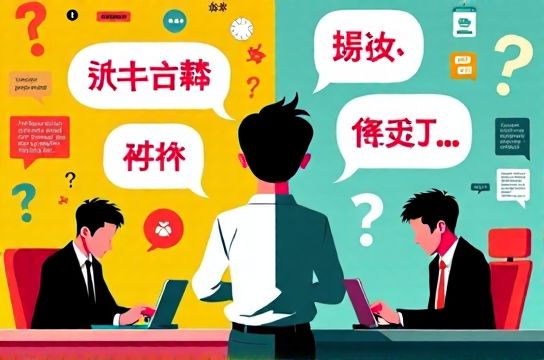
The thing about Chinese net lingo is this: it’s not just what’s said, but how, when, and why it’s said. Take '内卷' (nèi juǎn), for example. Literally meaning 'involution,' it’s now used to describe soul-crushing workplace competition or students pulling all-nighters just to stay average. A dictionary won’t help here—you need context, culture, and a bit of emotional intelligence.
Let’s break down some top buzzwords and why their tone shifts everything:
Top 5 Chinese Buzzwords & Their Hidden Tones
| Buzzword | Literal Translation | Actual Meaning | Tone/Context |
|---|---|---|---|
| 社死 (shè sǐ) | Social death | Extreme embarrassment | Ironic, self-deprecating |
| 内卷 (nèi juǎn) | Involution | Unhealthy overcompetition | Critical, exhausted |
| 躺平 (tǎng píng) | Lie flat | Rejecting hustle culture | Rebellious, resigned |
| 凡尔赛 (fán ěr sài) | Versailles | Pretending to humble-brag | Sarcastic, mocking |
| 破防 (pò fáng) | Breach defense | Emotionally overwhelmed | Vulnerable, dramatic |
See the pattern? These words pack emotional weight. '躺平' isn’t just laziness—it’s a quiet protest against burnout. '凡尔赛' mocks those who say 'I’m bad at math' while posting their Ivy League acceptance letter.
So why does tone matter so much? Because Chinese internet users rely on irony, satire, and shared cultural fatigue to communicate. Translate '内卷' as 'overcompetition' without context? You miss the societal critique. Call someone '社死' with a straight face? They’ll laugh—because the phrase thrives on exaggeration.
Here’s a pro tip: always ask, Who’s saying it, and why? A Gen Z blogger using '破防' after a breakup is being relatable. A state media outlet using '躺平' to criticize youth? That’s political framing.
In short, translating Chinese buzzwords isn’t about swapping characters for English—it’s about decoding attitude. Get the tone wrong, and you don’t just miscommunicate—you misrepresent an entire mindset.
Next time you hear '我裂开了' (wǒ liè kāi le – 'I’m cracked open'), don’t reach for the dictionary. Feel the despair. Then maybe send a meme.