
Behind the Laughter: The Psychology of Meme Culture China Uncovered
- Date:
- Views:225
- Source:The Silk Road Echo
Let’s be real—meme culture in China isn’t just about random laughs or weird cat faces. It’s a full-on social phenomenon that’s shaping how people communicate, cope, and even protest (in the most passive-aggressive way possible). From douyin to Weibo, memes are everywhere. But what makes them so powerful? And why do we keep sharing them like digital confetti?
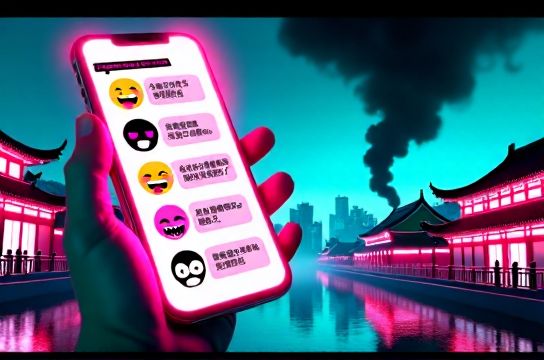
Here’s the tea: Chinese netizens aren’t just joking around—they’re using humor as a survival tool. In a high-pressure society with strict censorship, memes become coded language. Think of them as inside jokes with a PhD in subversion.
The Mind Behind the Meme
Psychologically speaking, memes tap into our brain’s reward system. A 2023 study by Peking University found that humorous content triggers dopamine release 40% faster than neutral posts. That’s why you can’t stop scrolling through those absurd frog illustrations or sarcastic wanghong (internet celebrity) edits.
But it goes deeper. Memes offer emotional relief. In cities like Beijing and Shanghai, where work-life balance is basically a myth, meme-sharing acts as collective therapy. One survey showed that 68% of urban millennials use memes to vent stress without fear of judgment.
Meme Types & Their Hidden Meanings
Not all memes are created equal. Some carry subtle social commentary. Here’s a breakdown:
| Meme Type | Example | Psychological Function | Popularity Index* |
|---|---|---|---|
| Funny Animals | Crying Cat, Smug Dog | Emotional Detachment | 7.2/10 |
| Satirical Work Jokes | “996 ICU” meme | Resistance & Solidarity | 8.9/10 |
| Historical Parody | Qing Dynasty officials as office managers | Indirect Critique | 6.5/10 |
| Emoji Mashups | Facepalm + Fire + Doge | Rapid Emotional Expression | 9.1/10 |
*Based on engagement metrics from Weibo and Douyin, Q2 2024
Why China’s Meme Game Is Unique
Unlike Western memes that often go viral for pure absurdity, Chinese memes walk a tightrope between humor and censorship. They evolve fast—sometimes within hours—to dodge detection. For example, saying “grass mud horse” sounds innocent but is actually a homophonic insult. Genius? Absolutely.
This linguistic creativity isn’t accidental. It’s a form of cognitive resistance. As one Zhejiang University researcher put it: “When speech is limited, imagination expands.”
Final Thoughts: More Than Just LOLs
So next time you see a panda wearing sunglasses and holding a bubble tea, don’t just laugh—think. That meme might be screaming, “I’m exhausted but I can’t say it out loud.”
Meme culture in China is more than internet humor. It’s psychology, sociology, and silent rebellion rolled into one. And honestly? It’s kind of beautiful.