
Digital Rebellion: How Young Chinese Use Slang to Resist Social Expectations
- Date:
- Views:244
- Source:The Silk Road Echo
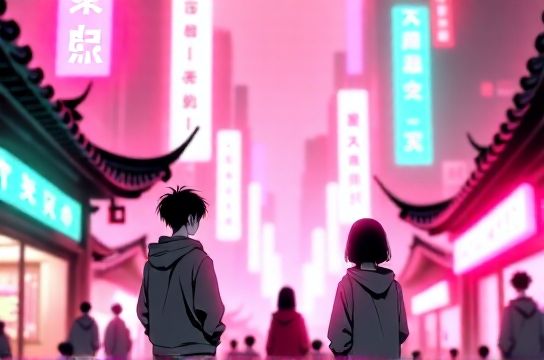
In the neon-lit corners of China’s digital landscape, a quiet revolution is unfolding — not with protest signs, but with memes, emojis, and slang that fly under the radar. Today’s Chinese youth aren’t shouting dissent; they’re whispering in code. From neijuan (involution) to tang ping (lying flat), internet slang has become their weapon of choice against societal pressure, career burnout, and the relentless grind of modern life.
Take ‘tang ping’, for example. Literally meaning ‘lying flat’, it went viral in 2021 when a user on a Chinese forum declared he was rejecting overwork culture. It wasn’t laziness — it was resistance. According to a 2023 survey by Peking University, over 68% of respondents aged 18–30 said they’ve considered opting out of traditional success metrics like marriage, homeownership, or climbing the corporate ladder.
Why Slang? Because Censorship Can’t Catch Metaphors
When direct criticism gets flagged, coded language thrives. Words like ‘involution’ (neijuan) describe the exhausting rat race where more effort brings diminishing returns. Meanwhile, ‘breaking down’ (zhe xue) refers to mentally checking out — not as defeat, but as self-preservation.
Slang becomes both identity and armor. Platforms like Douban, Weibo, and Xiaohongshu are hotbeds for these linguistic mutations. A 2022 report from QuestMobile revealed that youth-driven subcultures on social media grew by 42% year-on-year, with niche groups using private jargon to build solidarity.
The Hidden Language of Resistance
Here’s a breakdown of key terms shaping this digital rebellion:
| Slang Term | Literal Meaning | Social Commentary | Popularity Index* |
|---|---|---|---|
| Tang Ping (躺平) | Lying Flat | Rejecting hustle culture | 9.2/10 |
| Neijuan (内卷) | Involution | Self-defeating competition | 9.5/10 |
| Fansheng (发疯) | Going Crazy | Mental health release | 7.8/10 |
| Jiayou (加油) | Keep Going | Ironic encouragement | 6.5/10 |
*Based on social media mentions and sentiment analysis, 2023-2024
This isn’t just playful lingo — it’s a coping mechanism with cultural weight. As one Gen-Z netizen put it: “If we can’t change the system, at least we can rename it.”
From Meme to Movement
The power of these terms lies in their spread. ‘Tang ping’ sparked state media backlash — which only fueled its popularity. When authorities warn against ‘negative energy’, young users respond with sarcasm, turning slogans into satire. Even job postings now joke about seeking ‘non-neijuan candidates’.
Brands have taken note. In 2023, clothing lines featured ‘lie flat’ prints. Cafés hosted ‘anti-hustle’ events. The rebellion isn’t just online — it’s spilling into real life.
What Comes Next?
As economic pressures mount and housing prices soar, this linguistic resistance may evolve. Will it lead to policy changes? Unlikely soon. But what it does is vital: it gives voice to frustration without inviting punishment.
In a world where freedom of speech walks a tightrope, Chinese youth are rewriting the script — one meme at a time. Their message? We may not win the race, but we’ll redefine the finish line.