
Decoding 'Neijuan': A Deep Dive into Chinese Buzzwords and Social Pressure
- Date:
- Views:257
- Source:The Silk Road Echo
If you've spent any time scrolling through Chinese social media or chatting with young professionals in Beijing or Shanghai, you've probably heard the term neijuan (内卷). It's not just slang—it's a cultural cry echoing across classrooms, offices, and dinner tables. But what exactly is neijuan? And why does it matter?
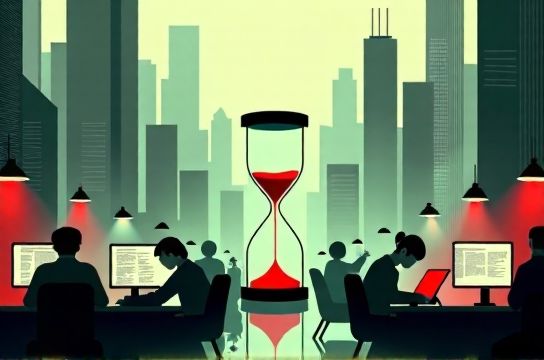
Literally translating to 'involution,' neijuan describes a situation where individuals work harder and harder without real progress—like running on a hamster wheel. In China’s hyper-competitive society, students study 14-hour days, employees answer emails at midnight, and freelancers underbid each other—all just to stay in place.
A 2023 survey by Peking University found that over 68% of urban white-collar workers feel trapped in neijuan cycles. Meanwhile, the average student in top-tier high schools spends 11.5 hours daily on academics—nearly double the OECD average.
The Neijuan Effect: By the Numbers
| Group | Avg. Work/Study Hours per Day | Reported Stress Level (1-10) | Perceived Career Mobility |
|---|---|---|---|
| Urban White-Collar Workers | 10.2 | 8.7 | Low |
| Top High School Students | 11.5 | 9.1 | Stagnant |
| Freelance Creatives | 9.8 | 7.9 | Declining |
So how did we get here? The roots of neijuan trace back to China’s rapid economic growth and intense educational competition. With millions vying for limited elite university spots and high-paying jobs, effort no longer guarantees reward—only survival.
Take the Gaokao, China’s national college entrance exam. Over 12 million students take it yearly, but only 3% land spots in Project 985 universities—the Ivy League of China. That pressure trickles down: kids in primary school now attend after-class tutoring just to keep up.
But there's pushback. Enter taolu (躺平), or 'lying flat'—the anti-neijuan movement where people opt out of the grind. While not everyone can truly disengage, the mindset shift is real. More young Chinese are prioritizing mental health, flexible work, and work-life balance.
Companies are noticing. Tech giants like Alibaba and ByteDance have rolled back mandatory overtime. Co-living spaces and remote gigs are booming. Even the government has launched initiatives promoting 'reasonable working hours.'
Still, escaping neijuan isn’t easy. As one Shanghai teacher put it: 'You can lie down, but the world keeps spinning.' The system rewards hustle, and opting out comes with risks.
So what’s the way forward? Experts suggest systemic reforms—better education equity, stronger labor protections, and cultural shifts toward valuing well-being over output. On an individual level, setting boundaries and redefining success help.
In the end, neijuan isn’t just a Chinese problem. From Silicon Valley burnout to Tokyo’s salaryman culture, competitive exhaustion is global. But in China, it’s got a name—and a growing resistance.