
Understanding China’s Viral Buzzwords: What ‘Tangping’ Really Means Online
- Date:
- Views:251
- Source:The Silk Road Echo
If you've been scrolling through Chinese social media lately, you might've stumbled upon a term that's sparking serious debate: ‘Tangping,’ or 'lying flat.' No, it’s not about napping (though we’re into that too). It’s a full-blown cultural movement sweeping across China’s youth—and it’s way more profound than the name suggests.
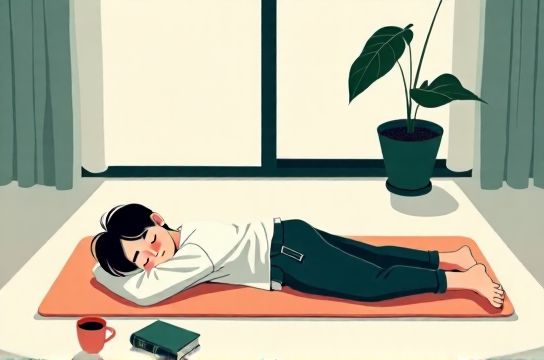
So what exactly is Tangping? Think of it as Gen Z’s quiet rebellion against hustle culture. In a society where working 996 (9 a.m. to 9 p.m., 6 days a week) was once worn like a badge of honor, young people are now choosing… not to. They’re stepping back from relentless competition, rejecting sky-high housing prices, and saying no to burnout. Instead, they’re opting for minimalism, lower stress, and yes—more literal flat time on the couch.
But don’t mistake this for laziness. Tangping is a statement. A response to economic pressure, soaring living costs, and a future that feels increasingly out of reach. According to a 2023 survey by Peking University, over 62% of urban millennials feel anxious about their financial future, and nearly 45% believe hard work no longer guarantees upward mobility.
Why Tangping Went Viral
The term blew up in 2021 after a post on Tieba titled 'The Lying Flat Movement' went viral. The author described quitting high-pressure jobs, living on less than ¥2,000/month, and finding peace in simplicity. Netizens resonated—hard. Within weeks, hashtags like #躺平 had tens of millions of views.
Here’s a quick snapshot of public sentiment:
| Sentiment | Percentage | Key Reasons |
|---|---|---|
| Supportive | 58% | Burnout relief, mental health, anti-consumerism |
| Critical | 32% | Fear of economic stagnation, lack of ambition |
| Neutral | 10% | Wait-and-see approach |
While state media initially pushed back—calling Tangping 'social defeatism'—the conversation it sparked is undeniable. It forced a national reflection on work-life balance, generational inequality, and what success really means.
Tangping vs. Other Youth Movements
It’s often compared to America’s 'Great Resignation,' but Tangping is more philosophical. It’s not just quitting your job—it’s rejecting the entire rat race. Contrast that with Japan’s hikikomori (social withdrawal), and you’ll see Tangping is less isolating and more intentional.
And get this: some entrepreneurs have even monetized the trend. Cafés offering 'Tangping Zones'—quiet spaces with low lighting and zero Wi-Fi—are popping up in Shanghai and Chengdu. Talk about turning protest into profit.
So next time you hear 'Tangping,' don’t roll your eyes. It’s not about doing nothing—it’s about doing less, on purpose. In a world obsessed with productivity, sometimes lying flat is the most radical thing you can do.