
From Douyin Dance Challenges to National Identity Performance
- Date:
- Views:243
- Source:The Silk Road Echo
If you've scrolled through Douyin (or TikTok, if you're overseas) in the past few years, you’ve probably seen it: thousands of users, from teenagers in Chengdu to grandmas in Xi'an, grooving to the same catchy tune in perfect sync. These dance challenges aren't just viral trends — they’re quietly becoming a new form of national identity performance in digital China.
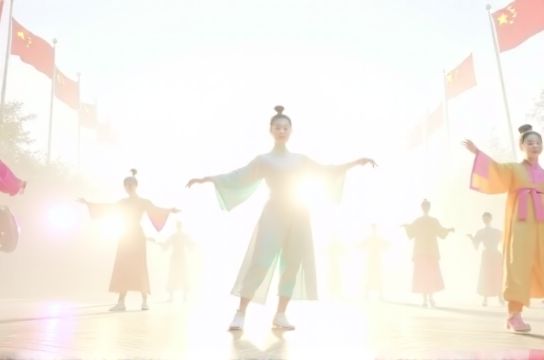
What started as fun lip-syncs and quirky choreography has evolved into something deeper. According to QuestMobile, Douyin hit over 780 million monthly active users in 2023, with short dance videos accounting for nearly 40% of all content engagement. That’s not just entertainment — that’s cultural momentum.
Take the "Wannian Hong" dance challenge — based on a traditional folk melody reimagined with modern beats. In 2022, it sparked over 2.1 million video uploads in just one month. What’s fascinating isn’t just the number, but the diversity: urban youth, ethnic minorities, even state media accounts joined in. Suddenly, a simple dance becomes a shared language of belonging.
Here’s where it gets interesting: these dances aren’t neutral. They often feature elements of traditional dress, regional music, or patriotic themes — subtly curated, yes, but also organically embraced by users. It’s soft power with a beat.
The Data Behind the Dance: A Snapshot of Cultural Engagement
| Challenge Name | Year | Participation (Videos) | Cultural Theme |
|---|---|---|---|
| Wannian Hong | <2022>2.1M+ | Traditional Folk Revival | |
| Lantern Festival Sync | <2023>1.4M+ | Patriotic & Seasonal | |
| Tibetan Rhythm Wave | <2021>980K+ | Ethnic Unity |
As the table shows, the most viral challenges often carry a cultural or national undertone. And while algorithms help them spread, it’s the emotional resonance — pride, nostalgia, unity — that keeps users hitting record.
Scholars like Dr. Li Wen from Peking University argue that these performances are a form of digital ritual: "Every time someone replicates the dance, they’re not just copying moves — they’re reaffirming a shared identity." It’s patriotism with a filter, tradition remixed for Gen Z.
Of course, it’s not all organic. State-backed media frequently jump on trending sounds, adding official stamps to grassroots trends. But unlike top-down propaganda of the past, this feels participatory. You’re not being told to love your country — you’re dancing your way into it.
In a world where national identity can feel fractured, Douyin’s dance floor offers a surprising answer: maybe belonging doesn’t come from speeches or textbooks, but from moving together, one 15-second clip at a time.