
Inside China’s Fast-Moving Meme Machine: From Douban to Xiaohongshu
- Date:
- Views:269
- Source:The Silk Road Echo
If you think memes are just a Western internet pastime, think again. China's meme culture is not only alive and thriving—it's evolving at lightning speed, powered by platforms like Douban, Xiaohongshu (Little Red Book), and Weibo. Forget cats in boxes; Chinese netizens craft layered, satirical, and often politically nuanced content that spreads like wildfire across tightly regulated digital spaces.
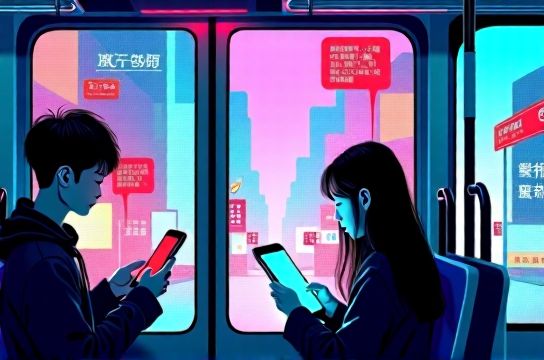
What makes China’s meme machine so unique? It’s the blend of censorship creativity and youth-driven irony. With strict online regulations, users have mastered the art of indirect expression. Memes become coded language—using historical references, homophones, or absurd visuals to comment on everything from work burnout (“tang ping” or “lying flat”) to housing pressures.
Let’s break down the key platforms driving this phenomenon:
Top Platforms Shaping China’s Meme Culture
| Platform | Monthly Active Users (2024) | Meme Style | Cultural Impact |
|---|---|---|---|
| Douban | 86 million | Intellectual satire, film & book parodies | Birthplace of 'neijuan' (involution) discourse |
| Xiaohongshu | 230 million | Lifestyle parody, luxury brand roasts | Re-defines urban youth identity |
| 580 million | Viral trends, celebrity meme remixes | National conversation starter |
Douban, once a quiet haven for film buffs, has become a breeding ground for socio-political memes wrapped in academic humor. Phrases like ‘996 is a blessing’—a sarcastic jab at grueling work hours—originated here before going mainstream.
Meanwhile, Xiaohongshu blends influencer culture with sharp meme aesthetics. A post mocking ‘rich girl morning routines’ might feature instant noodles labeled as ‘imported truffle pasta’—a humorous critique of aspirational lifestyles.
The lifecycle of a Chinese meme? Shockingly fast. According to a 2023 study by Peking University, the average lifespan of a trending meme on these platforms is just 7.2 days. Yet, their cultural ripple effect lasts much longer.
Brands, take note: understanding meme literacy isn’t optional. Companies like Li-Ning and Perfect Diary actively engage with meme trends, turning user-generated jokes into marketing gold.
In short, China’s meme scene isn’t just about laughs—it’s a dynamic form of digital resistance, identity play, and social commentary. Whether you're a marketer, sociologist, or just meme-curious, pay attention. The next big idea might come dressed as a joke.