
Netizen Satire 101: Cracking the Code of 'Official Style' Parodies
- Date:
- Views:256
- Source:The Silk Road Echo
Ever stumbled upon a Chinese internet post that starts with ‘In accordance with directives from higher authorities…’ and ends with zero actual information? Congrats—you’ve just encountered the legendary ‘Official Style’ parody, a viral art form born from bureaucratic absurdity and perfected by netizens with a sharp sense of humor.
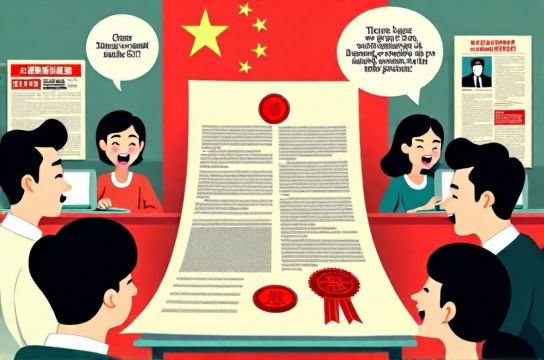
In China’s tightly regulated digital space, direct criticism is risky. So what do savvy netizens do? They fight jargon with satire. The ‘Official Style’—a mock version of formal government announcements—is now a cultural phenomenon, blending irony, exaggeration, and deadpan delivery to roast everything from censorship to subway delays.
The Anatomy of a Perfect Parody
A classic spoof mimics the structure of real government notices: lofty tone, passive voice, vague promises, and an avalanche of empty phrases like ‘strengthen supervision’ or ‘enhance public awareness.’ But beneath the surface? A punchline disguised as protocol.
Take this real example from Weibo during a city-wide internet outage:
‘In accordance with unified deployment, relevant departments have conducted in-depth analysis and comprehensive evaluation, and will further strengthen network optimization under scientific guidance to ensure the stable operation of information infrastructure.’
Translation: We have no idea what’s wrong, but we sound official.
Why It Works: Data & Impact
According to a 2023 study by Peking University’s Institute of Internet Society, over 68% of urban netizens aged 18–35 recognize and share ‘Official Style’ parodies regularly. These posts often go viral within hours, especially when tied to public frustrations.
| Year | Estimated Parody Posts (Million) | Average Engagement Rate | Top Platforms |
|---|---|---|---|
| 2021 | 4.2 | 7.3% | Weibo, Zhihu |
| 2022 | 6.8 | 9.1% | Weibo, Bilibili |
| 2023 | 9.5 | 11.6% | Bilibili, Xiaohongshu |
The numbers don’t lie—this isn’t just comedy; it’s civil discourse in disguise.
How to Craft Your Own Satirical Masterpiece
- Start with a crisis: Power outage? Social scandal? Use real events.
- Mimic the tone: Long sentences, no accountability, bonus points for buzzwords like ‘harmonious development’.
- Add absurd specificity: ‘Conducted 37 rounds of cross-departmental consultations’ sounds legit, right?
- Drop the punchline quietly: Never say it’s a joke. Let the audience get it.
Example: After a celebrity scandal, a parody notice read: ‘After thorough investigation, relevant artists have been reminded to regulate their private emotional management in accordance with moral guidelines.’ Cue laughter across the web.
Censorship? Not So Fast.
Here’s the genius part: because these parodies use the regime’s own language, they often slip past censors. It’s like speaking in bureaucratic code. As one anonymous Zhihu user put it: ‘They can’t ban their own voice.’
Still, there’s risk. Some creators have faced account suspensions when satire gets too pointed. The line between funny and forbidden? Thinner than a censored comment thread.
Final Thoughts
‘Official Style’ parodies are more than memes—they’re a form of digital resistance, linguistic creativity, and social bonding. In a world where free speech has limits, humor becomes the ultimate loophole.
So next time you see a post full of pompous phrases and zero substance, don’t scroll past. Laugh, share, and appreciate the craft. After all, in the words of the internet: ‘Under the strong leadership of public opinion, the problem has been effectively reflected.’ 😏