
From 'Lying Flat' to 'Involution': Understanding China's Internet Slang Phenomenon
- Date:
- Views:270
- Source:The Silk Road Echo
If you've scrolled through Chinese social media lately, you might've stumbled upon terms like 'Tang Ping' (躺平) or 'Neijuan' (内卷). These aren't just random buzzwords—they're cultural earthquakes wrapped in internet slang. Let’s dive into what they really mean, why they’re trending, and how they reflect the heartbeat of modern Chinese youth.
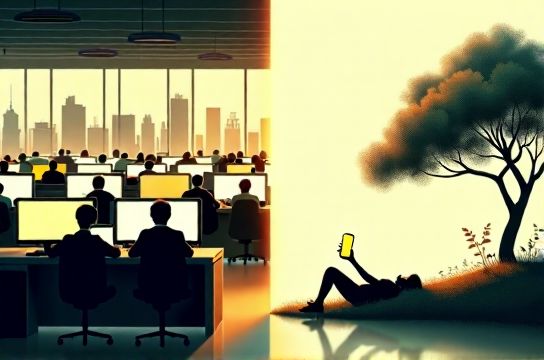
What Is 'Lying Flat'?
'Lying flat'—or Tang Ping—is the Gen Z rebellion against burnout. It started in 2021 when a young man shared how he quit high-pressure jobs, reduced expenses, and chose minimal work to reclaim his life. It’s not laziness; it’s a silent protest against endless hustle culture.
And What About 'Involution'?
Neijuan, literally 'involution', describes a system where people work harder but gain nothing. Imagine everyone standing on tiptoes in a crowd—no one sees better, but everyone is more tired. In education and workplaces, employees and students overwork just to stay in place.
Why These Terms Went Viral
They hit home. With youth unemployment peaking at 21.3% in 2023 (National Bureau of Statistics), and housing prices in cities like Beijing averaging ¥68,000/sqm, many feel trapped. 'Lying flat' became a coping mechanism; 'involution' named the invisible cage.
Data That Tells the Story
| Metric | Value | Year |
|---|---|---|
| Youth Unemployment Rate (16-24) | 21.3% | 2023 |
| Avg. Home Price in Beijing | ¥68,000/m² | 2023 |
| Weekly Work Hours (Avg.) | 49.5 hrs | 2022 |
| Weibo Posts with #TangPing | Over 3B views | 2021–2023 |
The Bigger Picture
These slangs are more than memes—they’re social commentary. The government even responded, promoting 'common prosperity' and cracking down on excessive overtime. But change is slow. For now, 'lying flat' offers emotional relief, while 'involution' fuels debates on reform.
Final Thoughts
Understanding Tang Ping and Neijuan isn’t just about language—it’s about empathy. They reveal a generation redefining success in a world that demands too much. So next time you hear these terms, remember: behind the slang is a story of resilience, fatigue, and quiet resistance.