
The Semiotics of 'Tuhao': From Mockery to Self-Parody in Online Discourse
- Date:
- Views:294
- Source:The Silk Road Echo
If you've spent any time scrolling through Chinese social media or e-commerce platforms, you've probably come across the term tuhao. Once a sneering label for the newly rich with flashy tastes, 'tuhao' has evolved from mockery to meme—a cultural phenomenon that reveals how digital communities reshape meaning.
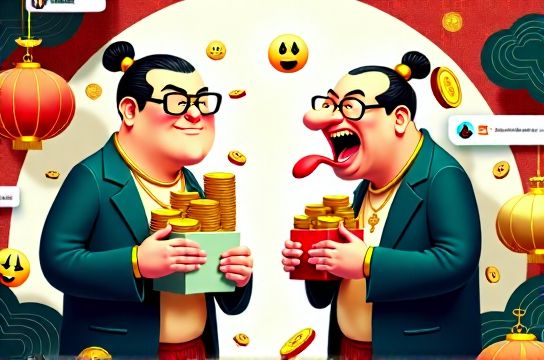
Literally meaning 'rustic chieftain,' tuhao originally described local warlords in early 20th-century China. But by the 2010s, it was reborn online as a satirical jab at those flaunting wealth without taste—think gold-plated phones, Lamborghinis in parking lots, and diamond-encrusted accessories.
What’s fascinating is how quickly netizens flipped the script. Instead of shaming, people began embracing tuhao culture with irony. Brands caught on fast. Apple even joked about 'tuhao gold' when launching the iPhone 5s in 2013—a color that became an instant hit in China.
The shift reflects deeper truths about consumer identity. As sociologist Wang Hui noted, 'In a society where status signals matter, tuhao isn’t just consumption—it’s performance.' And like all performances, it eventually turned self-aware.
From Insult to Internet Goldmine
Data shows the turning point clearly:
| Year | Baidu Index (Avg. Monthly) | Cultural Milestone |
|---|---|---|
| 2010 | 1,200 | Rarely used; niche political reference |
| 2013 | 28,500 | Viral slang; 'Tuhao, let's be friends' meme explodes |
| 2015 | 19,700 | Peaked usage; embraced by advertisers |
| 2020 | 6,300 | Nostalgic/ironic use; TikTok parodies |
By 2013, tuhao wasn’t just trending—it was a linguistic artifact of class anxiety and aspiration. The phrase 'Tuhao, let’s be friends!' (Tuhao, women jia pengyou ba!) captured both envy and satire, spreading across Weibo and QQ.
The Aesthetics of Excess
What defines 'tuhao aesthetics'? Think bold, loud, and unapologetically extra. It’s not minimalism—it’s maximalism with a wink. Red velvet interiors, neon-lit karaoke rooms, and ¥8888 'lucky' phone numbers—all hallmarks of a subculture that laughs at itself while spending freely.
In fact, luxury brands now borrow this aesthetic deliberately. Gucci’s 2022 collaboration with Chinese artists featured oversized logos and crimson motifs—elements once mocked as 'tuhao style.'
Why Tuhao Still Matters
Today, 'tuhao' survives not as an insult but as a coded language of belonging. When young consumers say 'This looks so tuhao,' they’re not judging—they’re signaling they get the joke. It’s a form of digital solidarity, where irony softens inequality.
As online discourse keeps evolving, 'tuhao' reminds us that language doesn’t just describe culture—it reshapes it. From derision to self-parody, this word tells the story of how China’s digital natives navigate wealth, taste, and identity—one meme at a time.