
From Office Jargon to Internet Gold: The Evolution of 'Neijuan'
- Date:
- Views:242
- Source:The Silk Road Echo
Ever felt like no matter how hard you work, it's never enough? Welcome to the world of neijuan — a term that started in Chinese offices but has now gone viral across social media, capturing the global anxiety over endless competition and burnout.
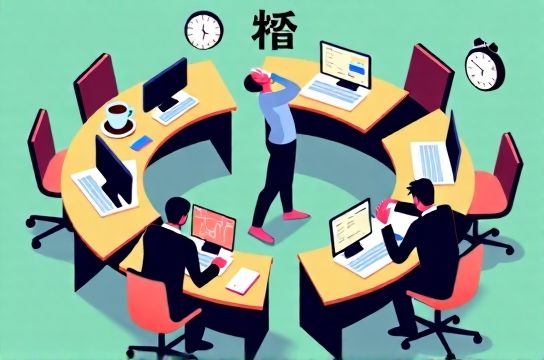
But what exactly is neijuan? Literally translating to 'involution,' it describes a situation where people exert increasing effort for diminishing returns. Think of it as running on a treadmill that keeps speeding up — you're moving fast, but going nowhere.
Originally an anthropological term coined by Clifford Geertz, neijuan was repurposed in China around 2020 to describe workplace overwork culture. Employees staying late not because they have work, but because everyone else is staying — that’s neijuan in action.
The Data Behind the Hype
A 2023 survey by Zhaopin revealed that 68% of white-collar workers in China feel trapped in a neijuan cycle. Another report from Peking University found that tech employees average 52 hours per week, with nearly 40% working overtime daily — all just to stay competitive.
| Year | Search Volume (Baidu Index) | Major Platforms Using Term |
|---|---|---|
| 2019 | ~2,000 | WeChat, Weibo |
| 2021 | ~28,500 | Douyin, Xiaohongshu, Bilibili |
| 2023 | ~15,000 | TikTok, Reddit, Twitter |
As shown above, the term exploded in 2021 during the peak of '996' (9 am–9 pm, 6 days/week) debates and has since spread globally. On TikTok, videos tagged #neijuan have racked up over 120 million views, with users sharing relatable rants about academic pressure, startup grind culture, and hustle porn.
Why Neijuan Resonates Beyond China
Because let’s be real — this isn’t just a Chinese problem. From Silicon Valley coders to Korean students cramming 16-hour study days, the feeling of being stuck in a high-pressure rat race is universal. The beauty of neijuan is that it gives a name to that silent exhaustion we’ve all felt.
And naming it? That’s the first step toward change. Movements like 'lying flat' (tangping) and 'low-desire lifestyles' gained traction as pushback — quiet rebellions against the cult of productivity.
How to Spot Neijuan in Your Life
- You’re working harder, but your results aren’t improving.
- Success feels like a moving target.
- You compare yourself to others more than you focus on your goals.
- Rest comes with guilt.
If this sounds familiar, you might be deep in the neijuan zone. The fix? Step back. Reassess. And remember: productivity shouldn’t cost your peace.
In a world obsessed with grinding, sometimes the most revolutionary act is to pause. So next time you feel the pressure to keep up, ask yourself: Am I growing — or just spinning?