
Beyond the Forbidden City: Beijing’s Underground Art Scene
- Date:
- Views:248
- Source:The Silk Road Echo
Think Beijing is all ancient palaces and dumplings? Think again. While the Forbidden City and the Great Wall steal the spotlight, a wild, raw, and wildly creative underground art scene is bubbling beneath the city's surface — and it’s time you knew about it.
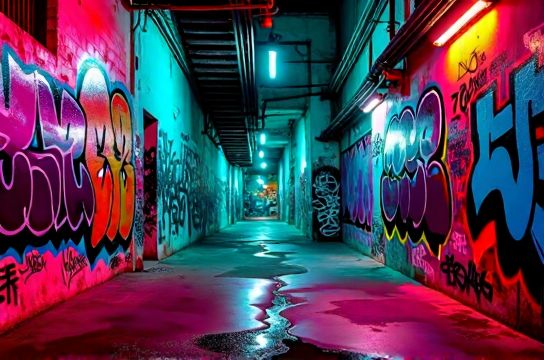
Forget sterile galleries and overpriced wine openings. We’re talking graffiti-tagged alleys, DIY warehouse shows, and experimental performances that push boundaries — sometimes literally dodging authorities. This is Beijing’s counterculture heartbeat, where artists use spray paint, code, and sound to say what politics can’t.
One of the epicenters? 798 Art District — but don’t let the Instagram fame fool you. Venture past the trendy cafes and into the back alleys of Dashanzi, and you’ll find unmarked doors leading to pop-up exhibitions and noise music gigs. Pro tip: go on a weekday evening. That brick-walled space behind the old factory sign? That’s where painter Li Wei projected his digital dissent last month — drawing 300 people in under an hour.
But 798 is just the gateway. The real underground thrives in places like Caochangdi and Wangjing, where rent is low and censorship (slightly) looser. These neighborhoods host independent studios and micro-galleries run by collectives like Boogie Lab and Arrow Factory. They’re not listed on tourist maps — you need word-of-mouth or WeChat invites.
Here’s a snapshot of Beijing’s alternative art hubs:
| District | Vibe | Known For | Visitor Tips |
|---|---|---|---|
| 798 Art Zone | Trendy meets rebellious | Street art, indie fashion, live music | Visit after 6 PM for underground events |
| Caochangdi | Rustic & raw | Experimental installations, artist residencies | Knock gently — some spaces are invite-only |
| Wangjing | Hidden tech-art fusion | Digital art, VR projects, hacker collectives | Follow local curators on Xiaohongshu |
The numbers? Hard to pin down — this scene runs on stealth. But estimates suggest over 200 independent artists operate in Beijing’s fringe circuits, with nearly 50 pop-up shows happening monthly, often lasting just 48 hours before vanishing.
Why does this matter? Because underground art in Beijing isn’t just about aesthetics — it’s resistance, reimagining, and resilience. In a city where expression walks a tightrope, these creators dance across the wire.
So next time you're in Beijing, skip the souvenir stands. Grab a local craft beer, ask around, and follow the bass line down a dark alley. The real art isn’t hanging in museums — it’s hiding in plain sight.