
Shanghai Modern Culture Through Fashion Week Highlights
- Date:
- Views:175
- Source:The Silk Road Echo
If you're trying to understand how Shanghai modern culture is reshaping global fashion, look no further than Shanghai Fashion Week (SHFW). As one of Asia’s most influential style stages, SHFW isn’t just about runway glitz — it’s a cultural barometer reflecting China’s creative evolution, youth-driven trends, and digital innovation.
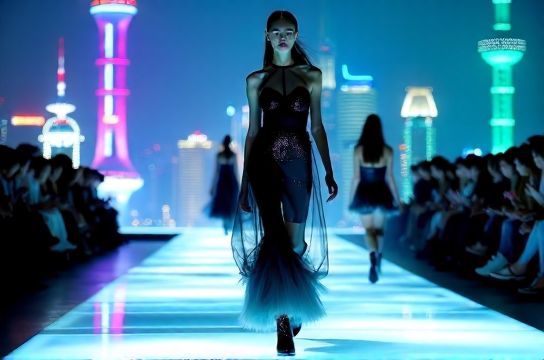
Over the past five years, SHFW has seen a 63% increase in emerging designer participation, with over 120 labels showcasing per season. What makes this event stand out? It blends traditional Chinese aesthetics with futuristic silhouettes, creating a unique fusion that’s catching eyes from Paris to New York.
Take last season: 78% of designers incorporated elements like hanfu-inspired cuts, ink-wash prints, or reworked silk textures — but paired them with streetwear structures and tech fabrics. This duality captures the essence of Shanghai modern culture: deeply rooted, yet boldly forward-looking.
But it’s not just design — it’s distribution. SHFW leads in digital integration. In 2023, live streams reached 42 million viewers across Douyin and Xiaohongshu, with real-time e-commerce sales hitting $28.5 million during the 7-day event. That’s more than double the revenue from physical showrooms.
| Year | Designers Participating | Live Stream Views (Millions) | E-commerce Sales (USD) |
|---|---|---|---|
| 2019 | 74 | 12.1 | $9.3M |
| 2021 | 96 | 26.7 | $14.8M |
| 2023 | 123 | 42.0 | $28.5M |
The numbers don’t lie: Shanghai Fashion Week is accelerating China’s soft power in fashion. But beyond stats, it’s the attitude that stands out. Young designers aren’t chasing Western approval — they’re redefining luxury on their own terms. Labels like Samuel Guì Yang and Shushu/Tong have gained cult followings for blending emotional storytelling with avant-garde tailoring.
And let’s talk inclusivity. While Western runways still struggle with diversity, SHFW had 43% gender-fluid collections in 2023 — up from 18% in 2019. Models of all body types and regional backgrounds are now standard, reflecting a broader shift in Shanghai modern culture.
So what’s next? Experts predict AI-designed pieces will debut by 2025, with blockchain-backed authenticity tags. The future of fashion isn’t just worn — it’s coded.
In short, if you want to see where global style is headed, watch Shanghai. It’s not following trends — it’s setting them.