
China City Guide Spotlight on Sustainable City Living
- Date:
- Views:225
- Source:The Silk Road Echo
If you're thinking about sustainable city living in China, you're not alone. More people are waking up to the fact that green urban life isn't just a trend — it's the future. As someone who’s been covering eco-friendly urban development across China for years, I’ve seen firsthand how cities like Shanghai, Shenzhen, and Chengdu are leading the charge.
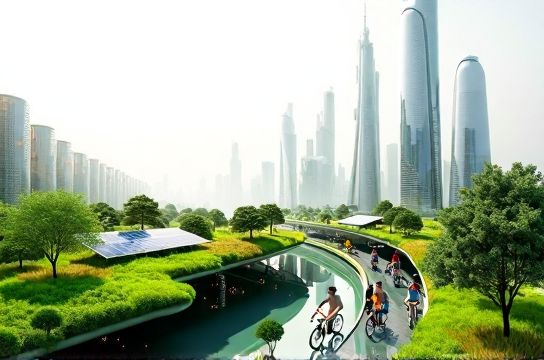
Let’s cut through the noise: sustainable city living means reducing your environmental footprint while enjoying a high quality of life. In China, this is happening faster than anywhere else on Earth — thanks to government policies, tech innovation, and public demand.
Why China’s Cities Are Winning at Sustainability
China now hosts 12 of the world’s 30 smartest green cities (IEA, 2023). From electric buses to AI-powered waste sorting, these urban centers aren’t just going green — they’re redefining what modern living looks like.
Take Shenzhen: it became the first city globally to electrify 100% of its public transportation bus fleet. That’s over 16,000 electric buses cutting down 1.3 million tons of CO₂ annually. That’s like taking 300,000 cars off the road — every year.
Top 5 Green Cities in China (Compared)
| City | EV Bus Coverage | Park Space per Capita (m²) | Air Quality Index (AQI, 2023 avg) | Green Building Rate |
|---|---|---|---|---|
| Shenzhen | 100% | 17.8 | 42 | 68% |
| Chengdu | 76% | 15.2 | 58 | 52% |
| Shanghai | 90% | 8.9 | 54 | 61% |
| Hangzhou | 84% | 14.1 | 49 | 57% |
| Beijing | 88% | 16.3 | 63 | 59% |
As you can see, sustainable city living in China varies by location — but the progress is undeniable. Shenzhen leads in clean transit and air quality, while Beijing impresses with green space despite its size.
How to Live Greener in Chinese Cities
- Ride Smart: Use apps like DiDi Green or Meituan Bike. Over 300 million rides happen weekly on shared e-bikes.
- Sort Waste Like a Pro: Cities like Shanghai require household waste sorting. Get it right and you earn community points.
- Live in Certified Buildings: Look for 3-Star Green Building labels — they use 30–50% less energy.
- Eat Local: Urban farms in Chengdu supply 40% of leafy greens in some districts.
The bottom line? China isn’t waiting for the future. It’s building it — one solar panel, bike lane, and smart grid at a time. Whether you're relocating, investing, or just curious, now’s the best time to explore sustainable city living in China.