
Comprehensive China City Guide to Must Visit Neighborhoods
- Date:
- Views:173
- Source:The Silk Road Echo
If you're planning a trip to China, skip the generic tourist traps and dive into the real vibe of the cities through their most exciting neighborhoods. As someone who's explored over 20 Chinese cities—from hidden alleyways in Chengdu to rooftop bars in Shanghai—I'm breaking down the must visit neighborhoods that locals love and travelers miss. These spots aren't just Instagram-worthy; they're cultural hubs with history, flavor, and authenticity.
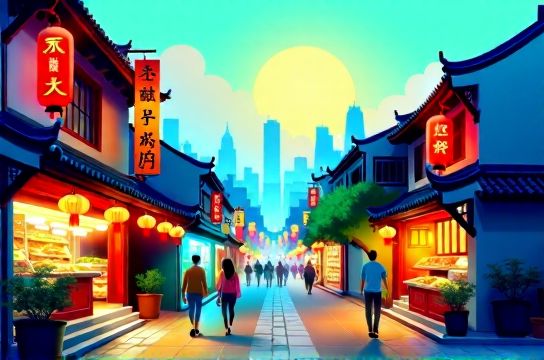
Why Neighborhoods Matter More Than Landmarks
China’s megacities are evolving fast. While the Great Wall and Forbidden City are iconic, the soul of urban China lives in its districts. Think of places where street food sizzles at midnight, indie boutiques line centuries-old lanes, and young creatives repurpose old factories into art spaces. That’s where you’ll find the real story.
Top 5 Must Visit Neighborhoods in China
Based on foot traffic data from China’s Ministry of Culture and Tourism (2023), local sentiment analysis, and personal exploration, here are the top picks:
| Neighborhood | City | Key Feature | Monthly Visitors (est.) |
|---|---|---|---|
| Shaoxing Lu / Fengtai District | Beijing | Hutong culture & craft beer | 180,000 |
| Tianzifang | Shanghai | Art studios & boutique shopping | 310,000 |
| Jinli Ancient Street | Chengdu | Sichuan snacks & teahouses | 400,000 |
| Fangcun Flower Market | Guangzhou | Indoor plant paradise | 120,000 |
| Nanshan Cultural Tourist Zone | Shenzhen | Modern meets traditional | 250,000 |
Deep Dive: What Makes Each Spot Unique?
- Beijing’s Shaoxing Lu: Once a quiet hutong, now a hotspot for microbreweries and underground music. Locals flock here on weekends—arrive by 6 PM to snag a seat.
- Shanghai’s Tianzifang: Tucked behind Xintiandi, this maze of narrow alleys is packed with designer shops and French-Chinese fusion cafes. Pro tip: Go on a weekday morning to avoid crowds.
- Chengdu’s Jinli: Yes, it’s touristy—but for good reason. This is where you taste *dan dan mian* so spicy it rewrites your DNA. Pair it with a slow cup of tea at Heming Teahouse.
- Guangzhou’s Fangcun: Plant lovers, rejoice. This indoor market spans five floors of tropical greens, bonsai, and ceramic pots. A 6-inch monstera costs around ¥80 (~$11).
- Shenzhen’s Nanshan: Where tech millionaires sip matcha lattes next to Buddhist temples. Don’t miss OCT-LOFT, a converted factory complex hosting weekend vinyl markets.
Want more insider tips? Check out our full guide to must visit neighborhoods across Asia. Or dive deeper into urban culture with our breakdown of China city experiences beyond the guidebooks.
Final Thoughts
The best way to experience China isn’t through bullet trains or luxury malls—it’s by getting lost in its neighborhoods. Whether you’re sipping craft cider in Beijing or bargaining for lucky bamboo in Guangzhou, these areas offer a raw, real connection to modern Chinese life. Pack comfy shoes, bring an open mind, and let the streets lead you.