
Is There a Place for Kuaishou in Tier-1 Cities? The App Choice of Metropolitan Youth
- Date:
- Views:333
- Source:The Silk Road Echo
When you think of Kuaishou, what comes to mind? Rural influencers, live-streaming sales of farm goods, or maybe that uncle dancing to catchy tunes in his village? While TikTok dominates the glossy feeds of Beijing and Shanghai’s youth, Kuaishou has quietly carved out its own space — even in China’s most competitive urban markets. So, is there a place for Kuaishou in Tier-1 cities? The answer might surprise you.
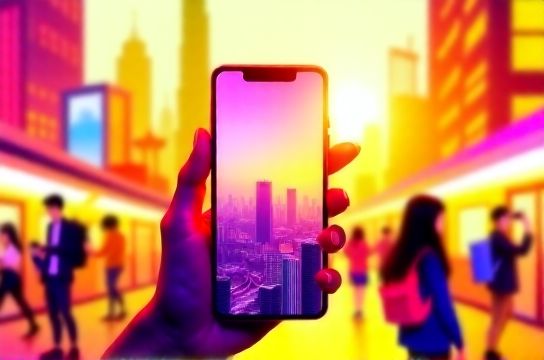
Contrary to popular belief, Kuaishou isn’t just for small towns. In fact, recent data shows that over 30% of Kuaishou’s active users now reside in first- and second-tier cities. That’s more than 150 million urban dwellers scrolling through real-life content every day. Why? Because authenticity sells — especially when city life feels increasingly curated and artificial.
Let’s break it down with some hard numbers:
| City Tier | Monthly Active Users (MAU) | Average Daily Usage (mins) | Live-Streaming Engagement Rate |
|---|---|---|---|
| Tier-1 Cities | 48 million | 72 | 18% |
| Tier-2 & Tier-3 Cities | 102 million | 85 | 24% |
| Tier-4 & Below / Rural | 90 million | 91 | 29% |
As you can see, while engagement dips slightly in Tier-1 areas, urban users are still spending over an hour a day on Kuaishou. And here’s the kicker: many of them aren’t just passive viewers. They’re joining live streams, supporting creators, and even going viral with their own 'down-to-earth' content.
Take Lily Chen, a 26-year-old graphic designer from Shenzhen. She started posting time-lapse videos of her cooking traditional Hunan dishes after work. No fancy filters, no dance trends — just real food, real mess, real life. Within three months, she gained 120,000 followers, mostly from Guangzhou and Shanghai. 'People are tired of perfection,' she says. 'They want to see someone burn the rice and laugh about it.'
This craving for relatability is exactly why Kuaishou thrives. While other platforms chase virality through algorithms favoring polished content, Kuaishou’s 'double-column feed' promotes diversity. You’ll see a street vendor in Chengdu next to a fashion grad in Hangzhou — no hierarchy, just humanity.
And brands are noticing. In 2023, Kuaishou reported a 45% year-on-year increase in ad revenue from metropolitan-based companies. From local coffee chains to tech startups, businesses are leveraging Kuaishou’s authentic vibe to connect with urban audiences in a more genuine way. One skincare brand saw a 300% ROI by partnering with micro-influencers who shared unfiltered routines — not studio-shot ads.
So, can Kuaishou in Tier-1 cities compete with the glitz of TikTok or Xiaohongshu? Maybe not on aesthetics. But in emotional resonance? Absolutely. It’s not about replacing the dream — it’s about grounding it.
In a world where everyone’s trying to look like they’ve got it all together, Kuaishou reminds us that it’s okay not to. And for the overwhelmed office worker, the lonely student, or the burnt-out creative in Shanghai or Beijing, that’s not just refreshing — it’s revolutionary.