
Find Peace in Beijing Hidden Gems at Quiet Temples
- Date:
- Views:162
- Source:The Silk Road Echo
If you're chasing serenity in the chaos of Beijing, skip the Forbidden City crowds and dive into the city's spiritual soul—its quiet, hidden temples. Tucked behind hutongs and nestled in tree-lined hills, these sanctuaries offer more than just history; they deliver peace, stillness, and a rare glimpse into China’s living Buddhist traditions.
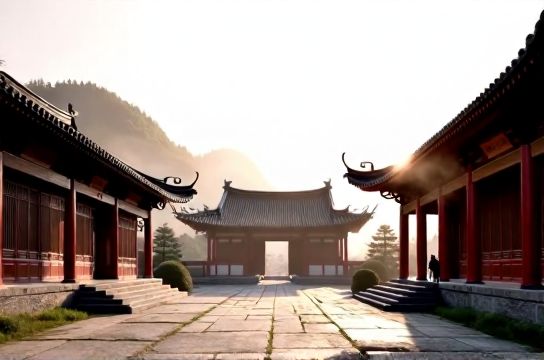
While most tourists flock to Lama Temple (Yonghegong), we’re uncovering lesser-known havens where incense still curls through silent courtyards and monks chant without an audience. These are spots where you can actually meditate, breathe, and feel Beijing’s deeper rhythm.
Why Escape to Beijing’s Quiet Temples?
Beijing is loud—there’s no denying it. But beneath the surface beats a contemplative pulse. Ancient temples once served as retreats for emperors and scholars seeking clarity. Today, they remain oases of calm. According to Beijing Tourism Bureau data, only 12% of foreign visitors explore temples outside the top 3 tourist sites. That means 88% miss the magic.
Top 3 Hidden Temple Gems
1. Caoyan Temple (Temple of Grass Flames)
Nestled in the Xiangshan (Fragrant Hills) area, this 17th-century gem was rebuilt in 2005 after near-total ruin. What makes it special? Authentic practice. Monks here follow strict meditation schedules, and visitors are gently reminded to whisper. The temple’s Tea Mindfulness Hall offers silent tea ceremonies—rare in modern China.
2. Baiciyu Temple (Temple of White Clouds)
Perched on Miaofeng Mountain, an hour from central Beijing, this Yuan Dynasty site is often blanketed in mist. Locals call it "the temple above the clouds." Unlike crowded Taoist Baiyun Guan, Baiciyu sees fewer than 50 visitors daily. Its stone pathways echo with bird calls, not chatter.
3. Longquan Temple (Dragon Spring Temple)
This isn’t just a temple—it’s a tech-savvy monastic community. Staffed by MIT- and Tsinghua-educated monks, Longquan blends ancient wisdom with AI-driven outreach. You won’t find this on TripAdvisor: they run a robot monk named Xian’er who teaches mindfulness via app. Yet inside the prayer halls? Utter silence.
Visitor Insights: When to Go & What to Expect
Timing is everything. Mornings (7–9 AM) are golden—monks perform sutra recitations, and light filters through century-old cypresses. Weekdays beat weekends by miles.
| Temple | Distance from Central Beijing | Avg. Daily Visitors | Best Time to Visit |
|---|---|---|---|
| Caoyan Temple | 18 km | 30–40 | 7:00–9:00 AM |
| Baiciyu Temple | 35 km | <50 | Weekday Mornings |
| Longquan Temple | 25 km | 60–80 | Sunday Meditation Session |
Pro tip: Dress modestly, silence your phone, and leave shoes at the door when required. A small donation (¥10–20) at entry helps preserve these spaces.
The Soul Behind the Silence
These temples aren’t museum pieces—they’re living communities. At Longquan, I met a monk who once worked in finance. "I didn’t lose the world," he said, sipping jasmine tea. "I found it."
In a city racing toward the future, these quiet corners remind us that peace isn’t lost—it’s just well hidden.
So next time you’re in Beijing, trade the subway for a mountain path. Let the chants guide you. Breathe deep. And discover the Beijing few ever see.