
Use a China City Guide to Explore Secret Courtyards
- Date:
- Views:176
- Source:The Silk Road Echo
Ever felt like tossing the tourist map and sneaking into the soul of a city? If you're wandering through China's ancient alleyways, there's a hidden world waiting: secret courtyards tucked behind crumbling walls and unmarked gates. These siheyuan (四合院) aren’t just old buildings—they’re living diaries of dynasties, family feuds, and midnight tea rituals. And guess what? A good China city guide can lead you straight to them.
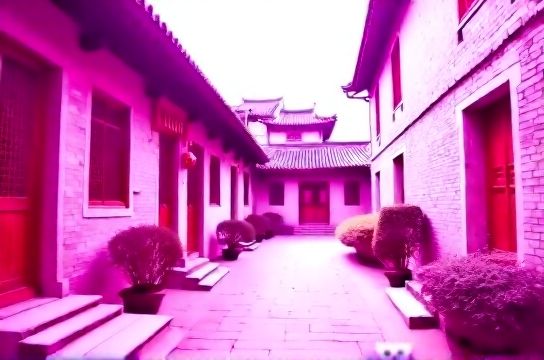
Forget the Forbidden City’s crowds. We’re talking about places like Beijing’s Hutong Backstreets or Suzhou’s Forgotten Gardens, where history whispers from every brick. Locals sip jasmine tea in quiet courtyards while electric scooters buzz past like dragonflies. It’s real. It’s raw. And yes, it’s Instagram-worthy—but let’s keep that between us.
Why Courtyards? Because They’re China’s Hidden Heartbeat
Traditional Chinese courtyards were designed around harmony—families lived inward, facing a shared central space. Think of it as ancient social media: everyone knew your business, but also had your back. Today, many have been converted into boutique teahouses, indie art spaces, or even private homes with Airbnb vibes.
Take Beijing. Once home to over 60,000 siheyuan, only about 3,000 remain intact due to urban development. But preservation efforts are growing. Cities like Pingyao and Yangzhou now protect entire districts of courtyard homes.
Top 3 Secret Courtyard Spots You Need to Find
| City | Courtyard Name | Best Time to Visit | Entry Tip |
|---|---|---|---|
| Beijing | Huguosi Cultural Yard | Early morning (7–9 AM) | Ask for the poetry book behind the counter—it opens the hidden garden. |
| Suzhou | Lingering Garden Side Courtyard | Late afternoon (4–6 PM) | Enter through the noodle shop on Xuanquiao Lane. |
| Kunming | Green Lake Courtyard Studio | Weekday mornings | Free calligraphy demo at 10 AM—just show up. |
Pro tip: Download offline maps and use local guides via apps like Dianping or Ctrip. Some courtyards don’t appear on Google Maps—but they’re 100% real.
How to Use a China City Guide Like a Local
Not all guides are created equal. The best ones don’t just list spots—they tell stories. Look for guides that include:
- Historical context (Who lived here? Was it a scholar’s retreat or a merchant’s hideout?)
- Local etiquette (Never step on the threshold—it’s bad luck!)
- Seasonal events (Moon Festival gatherings, spring tea ceremonies)
In cities like Xi’an and Hangzhou, audio walking tours now spotlight lesser-known courtyards with QR codes at entry points. Scan, listen, and suddenly you’re hearing a 1920s love letter read aloud in Mandarin.
The Future of China’s Hidden Courtyards
With rising interest in cultural tourism, more courtyards are being restored—not turned into hotels, but repurposed with respect. In 2023, Shanghai launched a ‘Courtyard Revival’ project, turning 47 abandoned spaces into community art hubs.
But here’s the catch: popularity kills secrecy. So visit mindfully. Don’t shout. Don’t climb on ancient beams. And for the love of dumplings, don’t block doorways for selfies.
China’s secret courtyards aren’t just destinations—they’re invitations. An invitation to slow down, look closer, and let a city reveal itself one quiet courtyard at a time.