
Walk Through Beijing Hidden Gems in Old Temple Zones
- Date:
- Views:171
- Source:The Silk Road Echo
Forget the crowded Forbidden City and overhyped hutongs for a sec — if you really want to feel Beijing’s soul, head deep into its forgotten temple zones. These ancient spiritual nooks aren’t just relics; they’re living pockets of history where incense still curls from Ming-era altars and old men play chess under cypress trees like it’s 1953. Welcome to the real Beijing — quiet, wise, and whispering with stories.
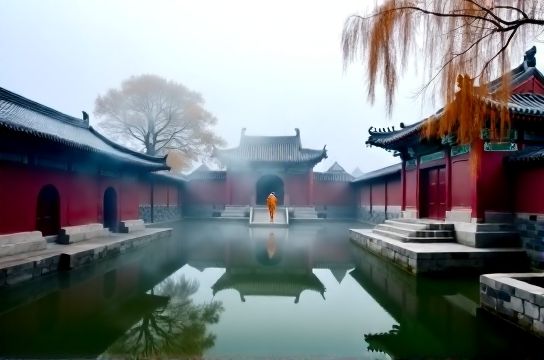
Why Temple Zones? Because Beijing’s Heart Beats in Silence
Tourists flock to loud landmarks, but locals know: true culture hides in corners. Beijing once had over 1,000 temples. Today, fewer than 200 remain — many tucked behind noodle shops or half-buried in alleyways. We’ve mapped out three underrated temple zones that offer serenity, architecture, and authentic vibes — minus the selfie sticks.
1. Tanzhe Temple: The Grandfather of Beijing Temples
Older than Beijing itself (yes, really), Tanzhe dates back 1,700 years. Nestled in the Western Hills, it’s a mountain-backed masterpiece of wooden eaves and hidden courtyards. Fun fact: the city’s name "Beijing" may derive from this temple’s layout inspiring early city planners.
2. Longhua Temple: Hutong Heaven
Slip into a maze of narrow lanes south of Qianmen, and you’ll find Longhua — a Song-dynasty gem turned community hub. Locals burn joss paper, monks chant at dawn, and tea masters serve oolong in cracked porcelain. It’s not polished. It’s perfect.
3. Wanshou Temple: The Scholar’s Escape
Once a resting palace for emperors en route to summer retreats, today’s Wanshou hosts a museum of Buddhist art. Bonus: it’s right next to Beijing Art Museum, making it a cultural double-header without the crowds.
Temple Zone Comparison: Your Quick Guide
| Temple | Era | Location | Best For | Visitor Traffic |
|---|---|---|---|---|
| Tanzhe Temple | Jin Dynasty (300 AD) | Western Hills | Peace & Architecture | Medium (mostly local pilgrims) |
| Longhua Temple | Song Dynasty (1000 AD) | South of Qianmen | Culture & Daily Life | Low |
| Wanshou Temple | Ming Dynasty (1579) | Haidian District | Art & History | Medium (students & scholars) |
Pro tip: Visit on weekdays before 10 a.m. to catch morning rituals. Bring cash for incense (¥10–20) — it’s more about participation than tourism.
The Soul of the City Isn’t in Guidebooks
These temple zones don’t just showcase Buddhism — they reveal how Beijing balances modern rush with ancient calm. You won’t find QR codes or audio tours here, just weathered stone, whispered prayers, and the occasional cat napping on a scripture box.
So skip the subway chaos. Rent a bike, follow the scent of sandalwood, and let Beijing surprise you. After all, the best parts of a city aren’t on maps — they’re in moments between breaths.