
Suzhou Street Vendors and the Poetry of Everyday Survival
- Date:
- Views:187
- Source:The Silk Road Echo
In the misty mornings of Suzhou, when the canals still shimmer with last night's reflections, a quiet symphony begins. It’s not from temples or classical gardens—but from the clatter of woks, the sizzle of pancakes on iron griddles, and the soft calls of elderly aunties offering cong you bing (scallion pancakes). These street vendors aren’t just selling food—they’re weaving poetry into the fabric of daily survival.
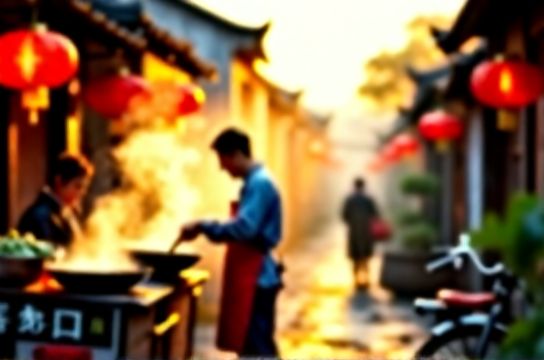
Suzhou, famed for silk and Song-era gardens, hides another cultural treasure: its informal economy of street vendors. While UNESCO celebrates its classical gardens, it’s the unlicensed noodle carts and mobile fruit stands that feed the city’s soul. According to a 2023 urban livelihood survey, over 12,000 informal vendors operate in Suzhou’s urban districts—nearly 60% are migrants from neighboring Jiangsu and Anhui provinces, seeking dignity one steamed bun at a time.
Let’s break down what keeps this ecosystem alive:
| Vendor Type | Avg. Daily Income (RMB) | Operating Hours | Common Locations |
|---|---|---|---|
| Breakfast Stalls | 300–500 | 5:00–9:00 AM | Near metro exits, residential alleys |
| Night Noodle Carts | 400–700 | 6:00 PM–12:00 AM | Along Pingjiang Road, near bars |
| Fruit & Snack Pushcarts | 200–400 | 10:00 AM–8:00 PM | Tourist zones, park entrances |
Why do locals adore them? Because authenticity isn’t served in air-conditioned malls. Take Auntie Lin, 68, who’s sold tanghulu (candied hawthorns) near Shantang Street for 17 years. Her secret? Homemade syrup, slow-cooked for hours. "Big brands use corn syrup," she scoffs. "Mine? Brown sugar and patience." That’s the ethos: small-scale, human-centered, resilient.
Yet, survival isn’t easy. City regulators walk a tightrope—preserving order while tolerating informal trade. In 2022, Suzhou piloted 'flex-zones' where vendors can operate legally during off-peak hours. Result? A 30% drop in vendor-police conflicts and higher customer satisfaction.
To truly experience this culture, visit early. Hit Guanqian Street at dawn. Watch an old man fold dumplings with surgeon-like precision. Buy a ci bao (sticky rice roll) wrapped in bamboo leaf. Smile. That’s Suzhou—not just a garden city, but a living poem written in steam and spice.