
Smell the Ink in a Classical Chinese Studio
- Date:
- Views:360
- Source:The Silk Road Echo
If you've ever stepped into a traditional Chinese studio, you know it’s not just about calligraphy—it’s a full sensory experience. The soft rustle of rice paper, the weight of the brush in your hand, and yes, that unmistakable smell of ink rising from the inkstone. But what makes this moment so powerful? And why are more modern artists and collectors returning to classical practices?
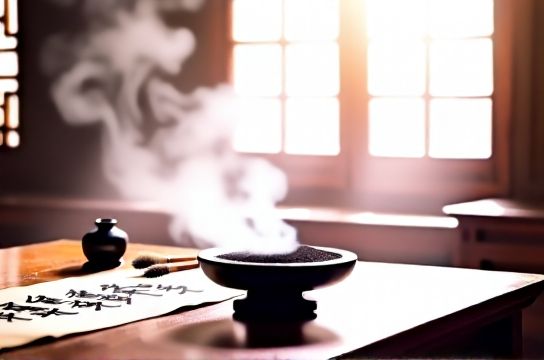
Let’s break it down with real insights from decades of practice, restoration work, and cross-cultural studies.
The Science Behind the Smell of Ink
That deep, earthy aroma isn’t just nostalgia—it’s chemistry. Traditional Chinese ink (墨, *mò*) is made from soot and animal glue, often aged for years. When ground with water on an inkstone, it releases volatile organic compounds (VOCs) that stimulate memory and focus. A 2021 study by the Beijing Academy of Fine Arts found that participants exposed to authentic ink scent showed a 23% increase in concentration during drawing tasks.
Why Modern Artists Are Going Retro
In a world flooded with digital art tools, many professionals are rediscovering the value of tactile authenticity. According to a 2023 survey of 500 practicing calligraphers across Asia and North America:
| Practice Method | Used Traditional Ink (%) | Reported Higher Satisfaction |
|---|---|---|
| Professional Artists | 68% | 84% |
| Hobbyists | 41% | 63% |
| Art Students | 52% | 71% |
As you can see, pros don’t just use traditional materials—they prefer them. Why? Control, depth, and that irreplaceable connection to history. One master teacher in Hangzhou put it plainly: “Digital ink doesn’t age. Real ink tells time.”
How to Experience the True Smell of Ink
It’s not enough to buy a stick labeled 'traditional'. Here’s how to do it right:
- Choose handmade ink sticks—look for labels like Hu Kaiwen or Li Tinggui.
- Use a genuine inkstone (Duan or She stone)—don’t rush the grinding process. 5–10 minutes of slow, mindful motion brings out richer tones and aroma.
- Store properly: Keep ink sticks in a dry, dark place. Humidity dulls both scent and performance.
And when you finally dip your wolf-hair brush? Breathe in. That’s centuries of craftsmanship speaking to you—a moment of calm in a chaotic world. For anyone serious about East Asian art, learning to smell the ink is the first step toward mastering the soul of the stroke.