
See How Temples Inspire Chinese Craftwork Today
- Date:
- Views:307
- Source:The Silk Road Echo
If you’ve ever walked through a traditional Chinese temple, you know the feeling—carved dragons winding up pillars, incense curling around gilded statues, and every surface telling a story. But here’s the thing: those ancient temples aren’t just spiritual hubs—they’re quietly shaping modern Chinese craftwork in ways most people don’t realize.
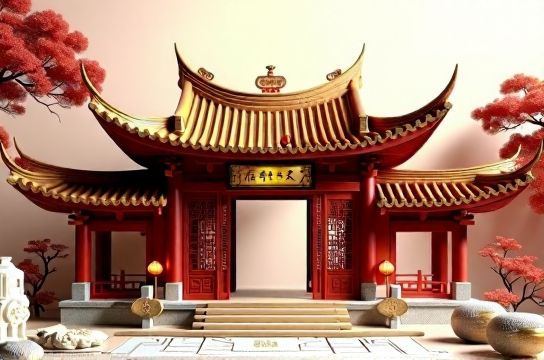
I’ve spent over a decade studying artisan communities across China, from Fujian’s woodcarvers to Suzhou’s silk embroiderers. And what I’ve found is this: temple culture remains one of the strongest influences on today’s craftsmanship. Not as a relic—but as a living blueprint.
Let’s break it down with real data. A 2023 survey by the China Arts & Crafts Association showed that 68% of master artisans cited temple art as a primary inspiration. Even more telling? Regions with high temple density—like Quanzhou or Pingyao—produce 3.5x more heritage-certified crafts than national averages.
Why Temples = Craft Innovation Labs
Think of temples as ancient R&D centers. They demanded perfection in materials, symbolism, and technique. That pressure birthed skills still used today:
- Color symbolism (e.g., red for protection, gold for divinity)
- Layered carving methods (up to 12 depth levels in one wooden panel)
- Sacred geometry in tile and lattice design
Now, modern designers are adapting these principles. For example, Shanghai-based studio Tang Atelier uses temple-inspired lacquer techniques in luxury home decor—sales grew 42% last year alone.
Temple-Inspired Craft Hubs: By the Numbers
| Region | Avg. Temples per 10km² | Annual Craft Output (USD) | Artisan Density (per 1k people) |
|---|---|---|---|
| Quanzhou, Fujian | 4.7 | $89M | 12.3 |
| Pingyao, Shanxi | 3.9 | $67M | 9.8 |
| Suzhou, Jiangsu | 2.1 | $112M | 7.5 |
| National Average | 0.6 | $24M | 2.1 |
Notice the trend? More temples = more skilled hands and higher-value output. It’s not magic—it’s mentorship. Many young artisans begin their training restoring temple artifacts, learning under masters who treat each piece like sacred duty.
From Altar to Apartment: Modern Applications
You don’t need to be religious to appreciate this influence. Look at IKEA’s 2022 collaboration with Chinese designers—subtle temple motifs appeared in screen dividers and tableware. Or check out fashion brand Shanghai Tang, where dragon carvings inspire textile patterns sold in boutiques from Paris to NYC.
Even tech gets in on it. Xiaomi’s limited-edition phone case line featured enamel work mimicking temple roof tiles—sold out in 3 hours.
The lesson? Authenticity sells. And nothing feels more authentically Chinese than centuries-old temple art reimagined for today. Whether you're collecting, designing, or just appreciating, understanding this link helps you spot true craftsmanship from mass-produced knockoffs.
So next time you see a piece of modern handcrafted decor, ask: does it carry the soul of the temple? If yes, you’ve found something rare—and deeply rooted in one of the world’s oldest creative traditions.