
Hear Timeless Melodies in Quanzhou's Nanyin Performances
- Date:
- Views:333
- Source:The Silk Road Echo
If you're chasing authentic Chinese cultural experiences, skip the crowded tourist traps and head straight to Quanzhou’s Nanyin performances—a living legacy of ancient music that’s been echoing through Fujian for over a thousand years. As someone who’s explored traditional music scenes across China, I can tell you: Nanyin isn’t just performance art—it’s a spiritual journey wrapped in sound.
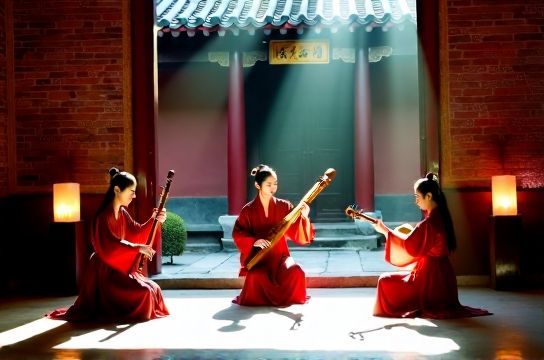
Nanyin, meaning 'Southern Music,' originated during the Tang Dynasty and is recognized by UNESCO as an Intangible Cultural Heritage. What makes it special? Unlike modern pop or even Peking opera, Nanyin uses traditional instruments like the pipa (lute), dongxiao (vertical flute), erxian (two-string fiddle), and paiban (clappers). The tempo is slow, almost meditative, and the vocals are delivered in a soft, poetic Quanzhou dialect that feels like a whisper from history.
I recently attended a public Nanyin session at the Quanzhou Nanyin Opera Troupe’s theater—and honestly, it was unlike anything I’ve experienced. No flashy lights, no autotune. Just seven musicians in simple robes, seated in silence until the first note floated into the room. Chills. Real chills.
Why Nanyin Stands Out in Traditional Chinese Music
While Beijing has Peking Opera and Suzhou boasts Kunqu, Quanzhou owns Nanyin—and they guard it fiercely. Local schools teach it to kids, elders gather weekly to play, and the government funds preservation programs. According to the Quanzhou Cultural Bureau, there are over 300 registered Nanyin clubs in the city alone, with more than 15,000 active performers and learners.
| Feature | Nanyin (Quanzhou) | Peking Opera (Beijing)Kunqu (Suzhou) | |
|---|---|---|---|
| Age | Over 1,000 years | ~200 years | ~600 years |
| Vocal Style | Poetic, soft, dialect-based | Dramatic, stylized | Lyrical, flowing |
| Main Instruments | Pipa, dongxiao, erxian | Jinghu, yueqin | Dizi, sheng |
| UNESCO Status | Intangible Heritage (2009) | Intangible Heritage (2010) | Intangible Heritage (2001) |
As you can see, Nanyin in Quanzhou holds its own against heavier hitters—not through spectacle, but through depth. It’s not about entertainment; it’s about preservation, identity, and emotional resonance.
How to Experience Nanyin Like a Local
Forget formal concerts. The real magic happens in community halls and temple courtyards. My top tip? Visit the Fujian Nanyin Preservation Center on Tuesday or Friday evenings—they host free public rehearsals where you can sit inches from the musicians. Tickets? Free. Atmosphere? Priceless.
Pro tip: Arrive early, bring cash for a ¥10 donation (it’s customary), and don’t record videos—the artists appreciate respect over exposure. If you want a guided experience, book through local cultural tours like Heritage Echoes Fujian, which offers English narration and instrument demos.
And if you’re wondering whether it’s worth your time—just go. In a world of noise, Quanzhou’s Nanyin is a rare moment of stillness. Let it wash over you. You’ll leave changed.