
Walking the Silk Road’s Forgotten Footpaths in Gansu
- Date:
- Views:279
- Source:The Silk Road Echo
Ever dreamed of stepping into a real-life historical epic? Pack your boots and curiosity—Gansu Province in northwest China is where the ancient Silk Road whispers through wind-carved canyons and desert sands. While most tourists flock to Xi’an or Dunhuang, true adventurers know: the soul of the Silk Road lives in Gansu’s forgotten footpaths.
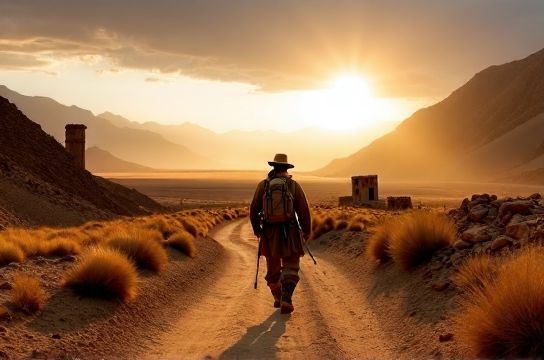
Stretching over 1,600 kilometers, Gansu was the vital corridor connecting China to Central Asia. Today, you can walk sections of the original trade routes that merchants, monks, and warriors trod over 2,000 years ago. From the Hexi Corridor to the Mingsha Mountains, every step tells a story.
Let’s break down the highlights with some hard data:
Top 4 Walkable Silk Road Trails in Gansu
| Trail | Distance (km) | Elevation (m) | Historical Significance |
|---|---|---|---|
| Yumen Pass Ancient Path | 15 | 1,170 | Guard post for Tang Dynasty caravans; mentioned in poetry |
| Dunhuang to Crescent Lake | 8 | 1,140 | Oasis stop for traders; Buddhist pilgrims rested here |
| Zhangye Danxia Foot Trails | 12 | 1,800 | Colorful sandstone formations; natural fortress |
| Wuwei Han Dynasty Ruins Path | 10 | 1,500 | Home to the famous Bronze Horse Tamer statue |
Pro tip: Spring (April–June) and autumn (September–October) are golden windows. Summer hits 38°C (100°F), and winter drops below freezing. According to local tourism stats, foot traffic peaks during National Day holiday (early October), so aim for late September for solitude and crisp air.
What makes these trails magical isn’t just scenery—it’s the silence. Stand at Yumen Pass as the wind hums through crumbling watchtowers, and you’ll swear you hear camel bells. These paths were lifelines: one study estimates over 50,000 tons of silk passed through Gansu between 200 BCE and 800 CE.
Don’t skip the cultural layer. Along the way, you’ll meet Hui and Tibetan locals selling roasted barley tea and handwoven textiles—living proof the Silk Road spirit endures.
Bottom line? Gansu’s forgotten footpaths aren’t just hikes—they’re time machines. Lace up, go slow, and let history walk beside you.