
Trekking Through Ancient Trails in Yunnan’s Remote Mountains
- Date:
- Views:284
- Source:The Silk Road Echo
Imagine walking where tea caravans once clanked with copper bells, where mist curls around pine-covered peaks, and every footstep echoes centuries of history. Welcome to Yunnan’s ancient mountain trails—hidden pathways that slice through remote villages, terraced hillsides, and forgotten kingdoms. This isn’t just trekking; it’s time travel on foot.
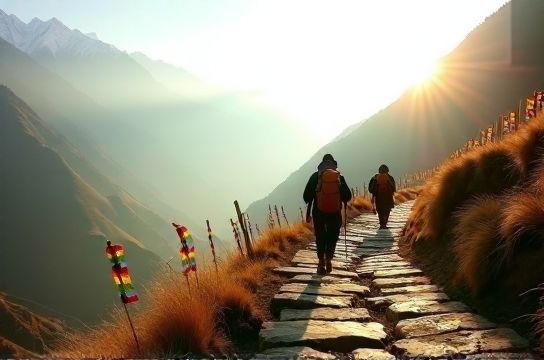
Nestled in China’s southwest corner, Yunnan Province is a mosaic of ethnic cultures and dramatic landscapes. From the Jade Dragon Snow Mountain range near Lijiang to the wild backdrops of Deqin County, these trails were once part of the legendary Tea Horse Road, a vast trade network linking Yunnan’s pu’er tea to Tibet’s highlands. Today, intrepid hikers can retrace these rugged paths, soaking in both natural beauty and cultural depth.
One of the most rewarding routes? The Different Valley Trek near Shangri-La. Spanning roughly 3-4 days, this moderate-level hike takes you through alpine meadows, past prayer flags fluttering in the wind, and into Tibetan hamlets where yak butter tea warms weary travelers. Elevation ranges from 3,200 to 4,200 meters (10,500–13,800 ft), so acclimatization is key.
But don’t expect luxury lodges. Most treks involve homestays or basic guesthouses run by local Nakhi or Tibetan families. And that’s the charm—authenticity over comfort.
Top Trekking Routes & Difficulty Levels
| Trail Name | Duration | Difficulty | Max Elevation (m) | Best Season |
|---|---|---|---|---|
| Different Valley Trek | 3–4 days | Moderate | 4,200 | May–October |
| Meili Snow Mountain Circuit | 6–7 days | Challenging | 4,800 | April–May, Sept–Oct |
| Laojun Mountain Trail | 2–3 days | Easy–Moderate | 3,800 | June–September |
Why go? Beyond the breathtaking views, you’re stepping into a living cultural tapestry. Over 25 ethnic minorities call Yunnan home—each with unique dialects, dress, and traditions. You might catch a spontaneous village festival or learn how to make tsampa (roasted barley flour) from a local elder.
Pro tip: Hire a local guide. Not only does it support community tourism, but guides often share stories you won’t find in any guidebook—like why certain peaks are sacred or how lamas predicted weather using eagle bones.
When planning your trip, aim for late spring to early autumn. Monsoon rains (July–August) can make trails slippery, while winter brings snowblockades in higher zones. Pack layers—temperatures swing from 20°C (68°F) at noon to below freezing at night.
In a world of crowded landmarks and cookie-cutter tours, Yunnan’s ancient trails offer something rare: raw, soul-stirring adventure. So lace up your boots, leave the noise behind, and let the mountains whisper their secrets.