
China’s Secret Mountains: Hiking the Uncharted Eastern Himalayas
- Date:
- Views:257
- Source:The Silk Road Echo
If you've scrolled through enough Instagram hikes and dreamt of untouched trails, mist-wrapped peaks, and cultures frozen in time—buckle up. We're diving into China’s best-kept secret: the uncharted Eastern Himalayas. Forget Everest base camps packed with selfie sticks—this is raw, wild, and breathtakingly beautiful.
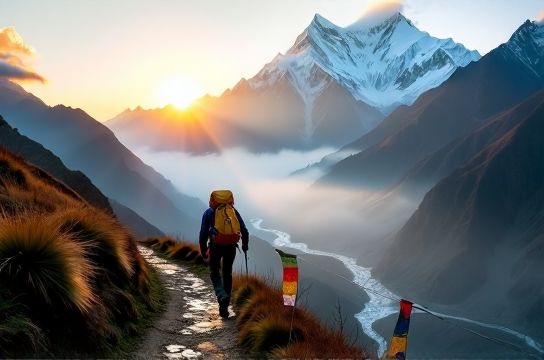
Nestled along the borders of Yunnan and Tibet, the Gaoligong and Meili ranges offer some of the most remote and ecologically rich trekking routes on Earth. This region, part of the UNESCO Three Parallel Rivers site, sees fewer than 10,000 trekkers annually—compared to over 40,000 on Nepal’s Everest Base Camp trail alone.
Why? Because access is tough. Permits are strict. And that’s exactly why it’s magical.
The Trail Less Traveled
The Meili Snow Mountain Circuit, a 7-day loop around Kawagebo (6,740m), is sacred to Tibetan Buddhists and remains unclimbed—a rare feat in modern mountaineering. Locals believe summiting it brings disaster. Respect runs deep here, and so does the sense of awe.
Trekking altitudes range from 2,200m to over 4,300m, with dramatic shifts in climate and vegetation. You’ll pass rhododendron forests, yak pastures, and ancient pilgrimage paths—all under the gaze of razor-sharp ridges dusted with eternal snow.
| Trek | Duration | Max Altitude | Difficulty | Best Season |
|---|---|---|---|---|
| Meili Kora (Outer Loop) | 7–8 days | 4,350m | Hard | April–May, Sept–Oct |
| Gaoligong Transect | 10–12 days | 3,800m | Very Hard | Mar–Jun, Sep–Nov |
| Sacred Salt Route (Historic) | 14 days | 3,600m | Expert Only | May–Oct |
Culture & Conservation
This isn’t just about views. It’s about villages like Xidang and Yubeng, where prayer flags flutter above stone homes and locals still trade salt for grain along forgotten mule paths. The region hosts over 6,000 plant species and endangered wildlife like the snow leopard and red panda.
Responsible trekking is non-negotiable. Many areas fall within protected zones. Always go with licensed local guides—both for safety and cultural respect. Homestays are common and encouraged; your stay directly supports mountain communities.
Logistics: What You Need to Know
- Permits: Apply weeks in advance via a registered agency. Tibetan border zones require extra paperwork.
- Getting There: Fly to Dêqên (DIG) or drive from Lijiang (~8 hrs).
- Guides: Mandatory. Expect $80–$120/day.
- Cost: Total budget ~$900–$1,500 per person, including permits, gear, and support.
In a world of over-tourism, the Eastern Himalayas stand defiant—untamed, unspoiled, and unforgettable. This isn’t just a hike. It’s a pilgrimage for the adventurous soul.