
Whispers of the Forest: Shamanic Cultures in Northeast China
- Date:
- Views:299
- Source:The Silk Road Echo
Nestled deep within the dense birch and pine forests of Northeast China lies a spiritual world few have truly explored — the ancient shamanic traditions of the Manchu, Daur, and Oroqen peoples. These cultures, often overshadowed by mainstream narratives, carry whispers from the spirit-filled woods that have shaped their lives for centuries.
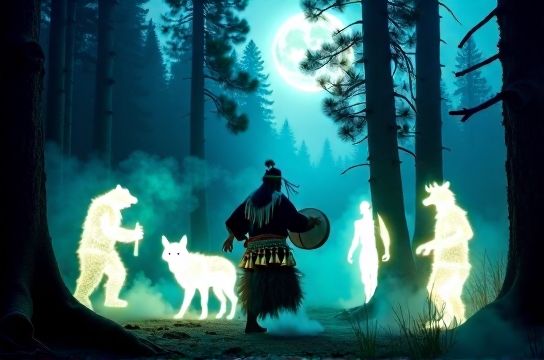
Shamanism here isn’t just ritual; it’s a way of breathing with nature. Shamans, known as udagan (female) or ubusun (male), act as bridges between humans and the spirit realm. Clad in jingling iron robes and crowned with antlered headdresses, they enter trance states through drumming and chanting to heal, divine, and protect.
The region’s harsh climate — with winters plunging below -30°C — has forged a worldview where every tree, river, and animal holds sacred meaning. The bear, wolf, and crane are not just animals; they’re ancestral messengers. In fact, among the Oroqen, over 60% still express belief in forest spirits, according to ethnographic surveys conducted by Harbin University in 2021.
Here’s a snapshot of key shamanic groups in the region:
| Group | Population | Core Belief | Ritual Highlight |
|---|---|---|---|
| Oroqen | 8,000 | Soul dualism (free soul & body soul) | Bear Festival (honoring the 'Forest King') |
| Daur | 132,000 | Ancestor veneration via fire rituals | Spring Fire Ceremony |
| Manchu | 10 million | Nature deities (Heaven, Mountain, River) | Family Sacrifice Rites (soloam) |
Despite modernization, these traditions persist. In Heilongjiang Province, there are now over 40 registered folk shamans, and local governments have begun supporting cultural festivals to preserve intangible heritage. Yet challenges remain — only 12% of younger Oroqen identify as fluent in their native tongue, threatening oral transmission of sacred chants.
For travelers seeking authenticity, visiting the Oroqen Ecological Cultural Village near Hulunbuir offers a rare glimpse into reindeer herding and shamanic storytelling. But remember: this isn’t performance. Respect is non-negotiable. Photography during rituals? Often forbidden. Curiosity should never override reverence.
In a world racing toward digital transcendence, Northeast China’s shamans remind us that true connection begins in the soil, the snow, and the silent watch of the taiga. Their whispers aren’t fading — they’re waiting to be heard.