
Preserving the Past: Sustainable Travel in China’s Hidden Communities
- Date:
- Views:251
- Source:The Silk Road Echo
Think China's only about megacities and the Great Wall? Think again. Beyond the neon lights of Shanghai and the tourist-packed alleys of Beijing lie quiet mountain villages, terraced rice fields carved by hand, and centuries-old traditions still breathing strong. These hidden communities—like Xiaohuashan in Yunnan or Taoping Qiang Village in Sichuan—are where real cultural magic happens. But here’s the catch: they’re fragile. And that’s why sustainable travel isn’t just a trend—it’s a responsibility.
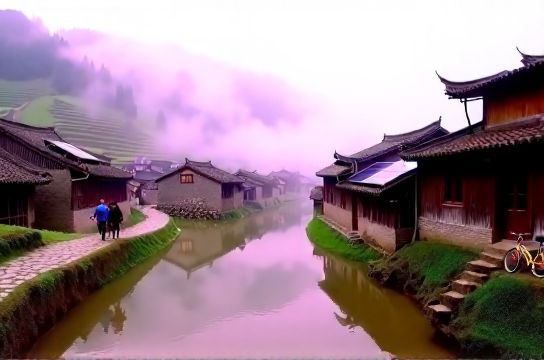
Every year, over 60 million domestic tourists visit rural China (China National Tourism Administration, 2023). While tourism brings income, it also risks erasing what makes these places special. So how do you explore without exploiting? Let’s break it down.
Why Sustainable Travel Matters Here
Many of these villages are home to ethnic minorities—Dong, Miao, Qiang, and others—whose languages, architecture, and rituals are endangered. UNESCO warns that 43% of China’s minority dialects could vanish by 2050 if not preserved. Tourism, when done right, can actually help protect them.
Top 3 Eco-Friendly Villages Worth Visiting
| Village | Location | Unique Feature | Sustainability Score (Out of 10) |
|---|---|---|---|
| Taoping Qiang Village | Sichuan | 2,000-year-old stone watchtowers | 9.2 |
| Xijiang Miao Village | Guizhou | Largest Miao settlement in China | 7.8 |
| Huanglongxi Ancient Town | Sichuan | Preserved Ming & Qing architecture | 8.5 |
Data Source: Ministry of Culture and Tourism, 2023
How to Be a Respectful Traveler
- Stay local: Skip chain hotels. Book homestays run by families—many now offer cozy rooms with solar-heated water and organic meals.
- Ask before snapping: That photo of a grandmother weaving may seem harmless, but consent matters. A smile and a quick “May I take a picture?” go a long way.
- Buy authentic, not mass-produced: Support artisans selling handmade silver jewelry or indigo-dyed cloth—not factory-made trinkets labeled “ethnic style.”
- Travel off-season: Visit in spring or autumn. Fewer crowds mean less strain on resources and more genuine interactions.
The truth is, sustainable travel doesn’t mean roughing it. It means choosing depth over convenience. It’s sipping wild-harvested tea with a village elder, learning how to build a drum tower from scratch, or joining a festival that’s been celebrated for generations.
These communities aren’t museums—they’re living, evolving cultures. And when we visit with care, we don’t just see the past—we help preserve it.