
Spiritual Journeys in Remote Buddhist Villages China
- Date:
- Views:224
- Source:The Silk Road Echo
If you're craving a travel experience that goes beyond temples and tour groups, consider diving into the heart of remote Buddhist villages in China. These tucked-away communities offer more than just scenic mountain views—they’re living centers of mindfulness, tradition, and deep cultural wisdom. As someone who’s trekked through Yunnan, Sichuan, and Qinghai over the past decade, I can tell you: this isn’t just tourism. It’s transformation.
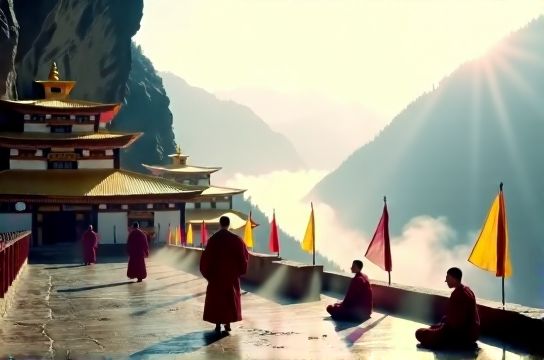
Let’s cut through the noise. Most ‘spiritual’ retreats today are glorified yoga resorts with Wi-Fi and avocado toast. Real spiritual depth? That’s found where monks rise at 4 a.m. for chanting, where butter lamps flicker in drafty prayer halls, and where villagers greet silence like an old friend.
Take the village of Larung Gar in Sichuan—home to one of the largest Tibetan Buddhist institutes on Earth. With over 10,000 residents (including monks and nuns), it’s a sea of red-robed figures nestled in a high-altitude valley. According to UNESCO, the region hosts over 60% of active Tibetan Buddhist study centers in China. That’s not just impressive—it’s significant.
Here’s a quick comparison of top remote Buddhist villages worth visiting:
| Village | Region | Altitude (m) | Monastic Population | Best Time to Visit |
|---|---|---|---|---|
| Larung Gar | Sichuan | 4,000 | ~10,000 | May–September |
| Yachen Gar | Qinghai | 3,900 | ~8,500 | June–August |
| Xiaozhaizigou | Yunnan | 3,200 | ~1,200 | April–October |
Now, here’s what no guidebook tells you: acclimatization is non-negotiable. At 4,000 meters, oxygen levels drop by nearly 40%. Bring Diamox, go slow, and spend your first two days mostly resting. Trust me—altitude sickness kills vibes (and sometimes people).
Another pro tip: visit during festival season. The Sertsa Festival at Larung Gar draws over 20,000 pilgrims annually. You’ll witness giant thangka unveilings, ritual dances, and debates so intense they sound like operatic arguments. It’s spiritual theater at its finest.
But let’s talk ethics. Tourism is a double-edged sword. While your presence supports local economies, intrusive behavior damages sacred spaces. Always ask before photographing monks. Dress modestly. And never, ever treat a monastery like a photo booth.
For those seeking deeper immersion, many villages offer homestays with families linked to monasteries. A week in Xiaozhaizigou cost me around $150—including meals, lodging, and a personal meditation guide. Compare that to $300+ per night at commercial ‘wellness’ retreats abroad. Where do you think you’ll grow more?
In short, if you’re serious about inner growth and authentic Buddhist spiritual journeys, skip the packaged tours. Go raw. Go real. Let the mountains and mantras rewire your soul.