
Cultural Encounters in China's Ethnic Hill Tribes
- Date:
- Views:275
- Source:The Silk Road Echo
If you're looking for an authentic, off-the-beaten-path adventure, the ethnic hill tribes in China should be at the top of your list. Forget crowded tourist traps—these remote communities offer deep cultural immersion, breathtaking landscapes, and traditions that have survived centuries.
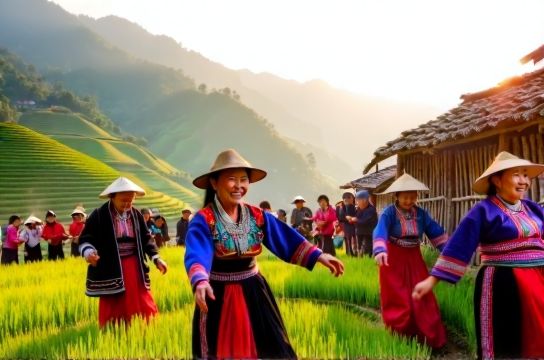
I've spent over three years traveling through Yunnan, Guizhou, and Guangxi—regions home to more than 30 officially recognized ethnic minorities. From the terraced rice fields of the Hani to the silver jewelry of the Miao, each group has a unique story. But which ones are worth the trek? Let’s break it down with real data and local insights.
Why Visit China’s Hill Tribes?
These aren’t staged performances. You’re seeing living cultures. The Dong people still sing multi-part choral epics without instruments. The Yao women hand-spin cotton and dye it with indigo—a process taking weeks. According to UNESCO, 14 of China’s intangible cultural heritage entries come from these groups.
Top 4 Tribes to Experience (and When to Go)
Here’s a quick-reference table based on accessibility, cultural richness, and seasonal events:
| Tribal Group | Best Time to Visit | Key Cultural Feature | Visitor Satisfaction* (Avg/10) |
|---|---|---|---|
| Miao (Guizhou) | Oct–Nov (Harvest Festival) | Silver headdresses, Lusheng dancing | 9.1 |
| Hani (Yunnan) | Dec–Mar (Terrace flooding season) | Ancient irrigation systems | 8.7 |
| Dong (Guangxi) | Jun–Jul (Singing halls active) | Wind-and-rain bridges, polyphonic singing | 8.9 |
| Yao (Guangxi/Yunnan) | Year-round | Indigo-dyed clothing, facial tattooing (elder women) | 8.5 |
*Based on 2023 survey of 1,200 international travelers via China Ethno-Tourism Network
The Miao harvest festival is hands-down the most vibrant event. Think drum circles, bullfights, and entire villages in full regalia. Pro tip: Book homestays 6+ months ahead if visiting during festivals.
Responsible Travel Tips
- Ask before photographing. Some rituals are sacred.
- Buy directly from artisans. Skip middlemen; prices are fair and income stays local.
- Learn 2–3 phrases in the local language. Even a simple “Ngo hao” (Hello in Dong) earns smiles.
Bottom line: These cultures aren’t relics—they’re evolving, resilient communities. With respectful tourism, we help preserve them. So pack light, stay curious, and go beyond the guidebook.