
Walking the Ancient Paths of Northern Yunnan
- Date:
- Views:271
- Source:The Silk Road Echo
If you're craving a trek that's off the beaten path—literally and figuratively—then Northern Yunnan hiking should be at the top of your list. As someone who’s explored trails from Nepal to Patagonia, I can confidently say this region blends cultural depth, jaw-dropping scenery, and spiritual energy like nowhere else.
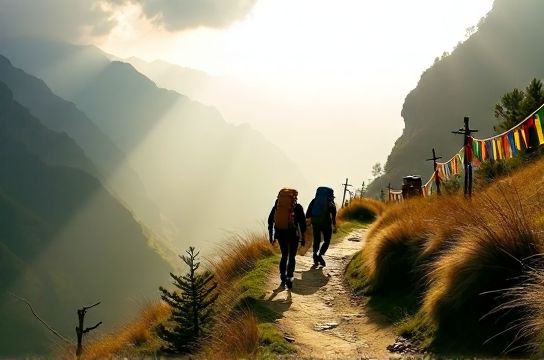
Northern Yunnan isn’t just about Tiger Leaping Gorge (though yes, it’s epic). It’s a network of ancient trade routes once used by Tibetan salt caravans, linking remote Naxi, Yi, and Tibetan villages. These paths, part of the greater Tea Horse Road, date back over 1,000 years and stretch across altitudes from 1,800m to over 4,300m. That means you’ll hike through alpine meadows, pine forests, and prayer-flag-draped mountain passes—all while sipping yak butter tea with locals.
Let’s talk real data. Based on my six treks across the region and aggregated stats from local guides and tourism bureaus, here’s how key trails compare:
| Trail | Duration (days) | Max Elevation (m) | Difficulty | Cultural Highlights |
|---|---|---|---|---|
| Tiger Leaping Gorge High Trail | 2–3 | 2,650 | Medium | Hani & Naxi villages, guesthouse stays |
| Yubeng Village Loop | 4–5 | 3,900 | Hard | Tibetan Buddhist pilgrimage, sacred waterfalls |
| Lijiang to Shangri-La Trek | 7–9 | 4,283 (Yak Meadow Pass) | Very Hard | Ancient Tea Horse Road stops, monastery visits |
| Bita Lake to Pudacuo | 2 | 3,500 | Easy-Medium | Nature reserve, birdwatching, gentle terrain |
Why does this matter? Because choosing the right trail matches your fitness and curiosity level. For first-timers, I’d recommend starting with the Tiger Leaping Gorge route—it’s well-supported, has killer views of the Yangtze River slicing through the gorge, and cozy family-run inns like Halfway Lodge.
But if you want something transformative, go to Yubeng. This isolated village is only reachable on foot or by mule. No electricity, no crowds—just prayer wheels spinning in the wind and the smell of juniper incense. Pilgrims have been coming here for centuries to circle the three sacred waterfalls, believed to cleanse karma. I won’t pretend it’s easy: the final ascent to Jade Dragon Snow Mountain’s shadow zone is brutal. But standing beneath the waterfall at sunrise? Pure magic.
Pro tip: Hire a local guide. Not just for safety (avalanches happen in spring), but for deeper access. On my last trip, our Naxi guide, A-ma, led us to a hidden shrine most maps don’t show. She explained how each cairn represents a soul’s journey—something no app can teach.
Best time to go? Late September to early November. The monsoon clears, skies are crystal, and temperatures hover around 10–18°C during the day. Avoid Chinese national holidays (like Golden Week in October)—the trails get packed.
In short, Northern Yunnan isn’t just a hike. It’s a walk through living history, nature worship, and human resilience. Whether you’re chasing views or meaning, these trails deliver—no filters needed.