
Remote Ethnic Villages Accessible Only by Foot
- Date:
- Views:284
- Source:The Silk Road Echo
If you're tired of cookie-cutter cultural tours and want something truly raw, real, and off-grid, then trekking to remote ethnic villages accessible only by foot might just be your next adventure. As a travel anthropologist who’s spent over a decade exploring Southeast Asia’s hidden corners, I’ve witnessed firsthand how these isolated communities preserve traditions that time forgot.
Let’s talk facts: according to UNESCO, over 70% of indigenous knowledge is transmitted orally and remains concentrated in geographically isolated areas. That means if you want authentic culture — not staged performances for tourists — you’ve got to walk.
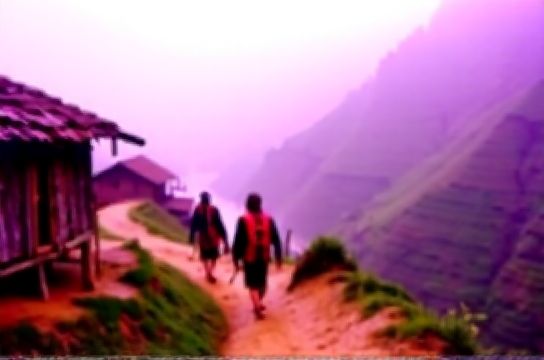
Take the remote ethnic villages in Yunnan Province, China, for example. The Lahu, Akha, and Jinuo people live in highland hamlets reachable only after multi-day hikes. No roads. No signal. Just misty tea forests and wooden stilt houses.
But it’s not just about scenery. These journeys demand respect, preparation, and ethical awareness. Here’s what seasoned trekkers need to know:
Top 3 Remote Villages & Trekking Stats
| Village (Ethnic Group) | Location | Hiking Duration (One Way) | Altitude (m) | Cultural Highlight |
|---|---|---|---|---|
| Dazhai (Jinuo) | Xishuangbanna, China | 6–8 hours | 1,100 | Last community recognized as an official Chinese minority (1980s) |
| Na Kham (Akha) | Northern Laos | 2 days | 1,450 | Ancestor spirit gates & indigo dyeing |
| Longwa (Konyak Naga) | Nagaland, India | 1.5 days | 1,800 | Traditional headhunter history & facial tattoos |
Now, before you pack your boots, consider this: access doesn’t mean exploitation. The best experiences happen when travelers follow local protocols — ask permission before photographing, bring small useful gifts (school supplies, not candy), and always hire local guides. In Nagaland, for instance, entering Longwa without village council approval can get you turned back — no debate.
And here’s a pro tip: aim for shoulder seasons. Trekking to ethnic hill tribe villages during monsoon? Slippery trails and leeches say no thanks. Dry months from November to March offer safer paths and clearer skies for those epic sunrise shots above the clouds.
Finally, gear up smartly. Forget flashy tech — a basic water filter, durable rain cover, and quiet demeanor go much further than drones or GoPros. Remember, you’re a guest in someone’s ancestral home, not a YouTuber chasing clout.
These walks aren’t just hikes — they’re portals into living heritage. And honestly? That silence between footsteps? That’s where real travel begins.