
Best Ethnic Minority Tribes to Visit in Yunnan
- Date:
- Views:279
- Source:The Silk Road Echo
If you're chasing authentic cultural experiences in China, look no further than Yunnan. This lush, mountainous province is home to **25 of China’s 56 officially recognized ethnic minorities**—each with its own language, dress, festivals, and way of life. As a travel blogger who's spent over three years exploring rural Yunnan, I’ve lived with local tribes, joined harvest festivals, and tasted more homemade rice wine than I can count. Let me tell you: nowhere else in Asia offers such rich cultural diversity in one region.
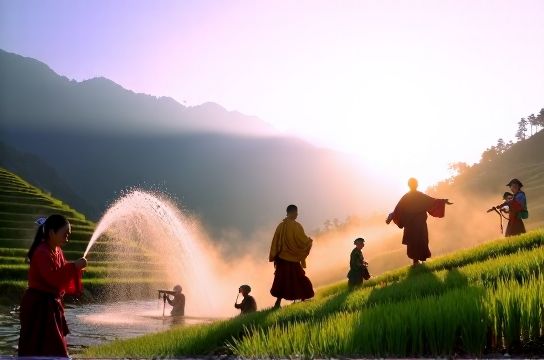
Forget cookie-cutter tourist traps. The real magic lies in villages like Xishuangbanna for the Dai people, Shangri-La for the Tibetans, and Yuanyang for the Hani. These aren’t just photo ops—they’re living, breathing communities preserving traditions that go back centuries.
Top 5 Ethnic Tribes to Experience in Yunnan
After visiting over 40 minority villages, here are my top picks based on accessibility, cultural preservation, and visitor experience:
| Ethnic Group | Population in Yunnan | Best Village to Visit | Key Festival |
|---|---|---|---|
| Dai | ~1.3 million | Jinghong, Xishuangbanna | Water-Splashing Festival (April) |
| Hani | ~1.6 million | Yuanyang Rice Terraces | New Year (December) |
| Tibetan | ~1.5 million | Shangri-La (Zhongdian) | Sagya Dawa Festival (June) |
| Naxi | ~300,000 | Lijiang Ancient Town | Torch Festival (July) |
| Miao | ~1.2 million | Gejiu & Kaiyuan areas | Sisters’ Meal Festival (March) |
The Dai people are perhaps the most famous, known for their vibrant Water-Splashing Festival that draws thousands every April. But don’t miss the Hani, whose UNESCO-listed rice terraces in Yuanyang are both an agricultural marvel and spiritual landscape.
Pro tip: Visit during festival season. That’s when traditions shine brightest—from drum dances to animal sacrifices to all-night feasts. Locals are more welcoming, and homestays often include meals and guided tours.
But remember: respect goes a long way. Always ask before taking photos, dress modestly in sacred spaces, and learn a few basic phrases in the local language. A simple 'hello' in Dai ('Sawasdee') or Tibetan ('Tashi Delek') opens doors.
Yunnan’s ethnic charm isn’t just about sightseeing—it’s about connection. Whether you’re sipping butter tea with a Tibetan family or dancing at a Miao wedding, these moments stay with you long after the trip ends.