
Follow Tea Paths in Ancient Plantations of Fujian
- Date:
- Views:358
- Source:The Silk Road Echo
If you're into real tea—like, the kind that doesn’t come in a flavored sachet—you’ve gotta check out the ancient tea plantations of Fujian Province. This place is basically ground zero for oolong and white tea. I just got back from a two-week deep dive through Wuyishan, Anxi, and Fuding, and let me tell you: nothing beats walking those misty mountain trails where tea has been grown for over 1,000 years.
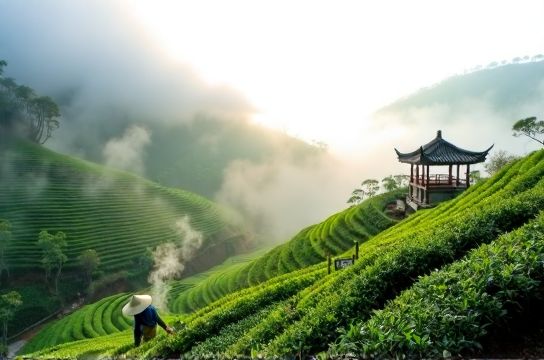
Fujian isn’t just scenic (though seriously, the views are next-level). It’s where terroir meets tradition. The humid subtropical climate, red soil, and elevation create perfect growing conditions. But don’t take my word for it—check the numbers:
Top Tea-Producing Counties in Fujian (2023 Data)
| County | Tea Type | Annual Output (metric tons) | Notable Varieties |
|---|---|---|---|
| Anxi | Oolong | 68,000 | Tieguanyin, Golden Choice |
| Wuyishan | Oolong (Rock Tea) | 42,500 | Dashuixian, Rougui, Shuijingui |
| Fuding | White Tea | 21,000 | Silver Needle, White Peony |
Now, here’s the insider tip: most tourists hit up the big-name spots, but the real magic happens in the family-run plots tucked into the hills. I spent a morning with Master Lin in Anxi—he’s been growing Tieguanyin for four decades—and he showed me how true artisan tea is made: hand-plucked, sun-withered, and roasted over charcoal. That batch? Priced at ¥1,200/kg… and worth every yuan.
But here’s what surprises people: not all high-end tea tastes strong. Take Fuding’s Silver Needle—it’s delicate, almost sweet. And because white tea is minimally processed, it actually has higher antioxidants than green tea (studies show up to 30% more catechins!).
Want to plan your trip right? Here’s a quick seasonal guide:
- Spring (March–April): First harvest! Best for Tieguanyin and Silver Needle.
- Summer (June–July): Bold rock teas from Wuyi—great for roasting.
- Autumn (September–October): Aromatic oolongs with floral notes.
Pro tip: Book a homestay on a working plantation. You’ll get early access to fresh leaves, learn processing techniques, and taste batches before they’re sold. Plus, the local food? Smoked bamboo rice with wild mountain herbs—chef’s kiss.
Bottom line: If you care about where your tea comes from, Fujian’s tea paths should be on your bucket list. It’s not just a drink—it’s history, craft, and nature in a cup.