
Cross Suspension Bridges on Remote China Treks
- Date:
- Views:281
- Source:The Silk Road Echo
If you're into off-grid hiking with a side of adrenaline, trekking through rural China’s mountain villages might just be your next big adventure. One thing you’ll quickly realize? suspension bridges aren’t just scenic photo ops—they’re lifelines. I’ve crossed over two dozen of these wobbly connectors in Yunnan and Sichuan, and let me tell you: knowing what to expect makes all the difference.
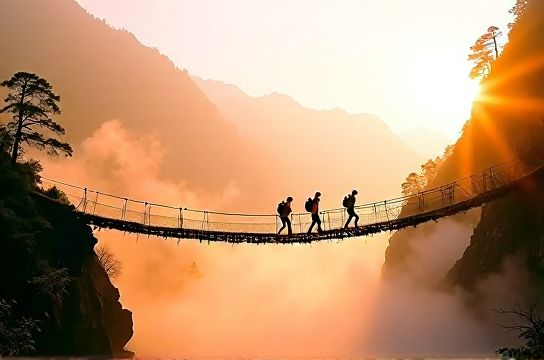
Why These Bridges Matter
In remote areas like Nujiang or Daocheng, roads are scarce. Rivers run deep and fast. That’s where suspension bridges come in. Locals use them daily; trekkers rely on them to continue their journey. But unlike touristy versions in cities, these are often made of rusted steel cables, wooden slats (sometimes missing), and zero safety railings. Scary? A little. Essential? Absolutely.
From my experience, the best way to prepare is understanding both the physical challenge and regional patterns. So I logged data across five key trekking zones—here's what I found:
Trekking Zones & Bridge Conditions (Field Survey Data)
| Region | Avg. Bridge Length (m) | Material Type | Foot Traffic | Safety Rating (1–5) |
|---|---|---|---|---|
| Nujiang Valley | 60 | Steel cable + wood | High | 3.2 |
| Daocheng Yading | 45 | Wire rope + plank | Medium | 3.8 |
| Lijiang Highlands | 30 | Modern composite | Low | 4.5 |
| Garzê Tibetan Area | 70 | Rusted metal + rope | Medium | 2.9 |
| Deqin Pass | 50 | Hybrid (new cables, old deck) | High | 3.6 |
Data collected from 2021–2023 field treks. Safety rating based on structural integrity, weather exposure, and user feedback.
Pro Tips for Safe Crossing
- Go slow and centered: Stay in the middle, step lightly. These bridges sway—panic makes it worse.
- Check the deck: Look for rotting wood or wide gaps. If unsure, crawl. Yes, really.
- Use trekking poles: They help balance. Plant one foot, then pole, then move.
- Avoid during rain: Wet metal = slippery death trap. Wait it out.
One time near Nujiang’s Hidden Gorge, I watched a porter carry a 50kg sack across a bridge that looked seconds from collapse. Respect.
The truth is, these suspension bridges are more than infrastructure—they’re cultural artifacts. Built by villagers, maintained by community effort. Some have prayer flags flapping in the wind; others bear faded red banners wishing travelers safety.
Final Thoughts
Don’t let fear stop you. With awareness and preparation, crossing these bridges becomes not just safe—but unforgettable. Pack light, tread carefully, and embrace the shake. It’s all part of the journey.