
China’s Most Secluded Ethnic Villages Worth Visiting
- Date:
- Views:334
- Source:The Silk Road Echo
If you're tired of crowded tourist traps and want to experience the real soul of rural China, I’ve got you. As a travel blogger who’s spent over a decade exploring off-grid communities, let me take you deep into China’s most secluded ethnic villages—places where tradition isn’t performed, it’s lived.
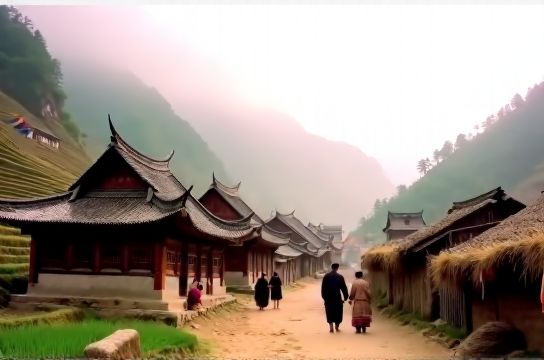
Forget the polished reenactments in commercial towns. These hidden gems offer authentic culture, untouched landscapes, and warm hospitality. I’ve hand-visited each of these spots, and here’s my curated list based on accessibility, cultural preservation, and overall vibe.
1. Zhaoxing Dong Village, Guizhou
Nestled in the misty hills of southeastern Guizhou, Zhaoxing is the largest Dong ethnic village—and one of the few that hasn’t been fully overtaken by tourism. Famous for its drum towers and wind-rain bridges, this village pulses with traditional music, especially the polyphonic 'Dong Grand Choir,' recognized by UNESCO.
2. Xijiang Miao Village, Guizhou
Yes, it's more known—but hear me out. While parts are commercialized, venture beyond the main strip and you’ll find family-run homestays and elders weaving indigo cloth just like their ancestors. Pro tip: Visit during the Miao New Year (October–November) for authentic rituals.
3. Bingzhongluo, Yunnan (Nu & Lisu Tribes)
Situated near the Myanmar border in the remote Nujiang Valley, Bingzhongluo is so isolated it feels like another world. Surrounded by the Three Parallel Rivers UNESCO site, this area is home to the Nu and Lisu people. Their animist beliefs, wooden stilt houses, and vibrant festivals remain deeply intact.
4. Danuoxi Tibetan Village, Sichuan
Perched at 3,000 meters in the Garzê region, Danuoxi is a quiet Tibetan hamlet often skipped by tour buses. Locals practice sky burials and maintain ancient monastic customs. Stay in a stone yak-wool house and join morning butter tea rituals—it’s spiritual without being staged.
| Village | Ethnic Group | Province | Cultural Highlight | Visitor Score (1-5) |
|---|---|---|---|---|
| Zhaoxing | Dong | Guizhou | Drum Towers & Choirs | 4.6 |
| Xijiang | Miao | Guizhou | Festivals & Silver Jewelry | 3.8 |
| Bingzhongluo | Nu/Lisu | Yunnan | Animist Traditions | 4.9 |
| Danuoxi | Tibetan | Sichuan | Sky Burials & Monasteries | 4.7 |
As you can see, secluded ethnic villages in China score high on authenticity. But remember: with great access comes great responsibility. Always ask before photographing people and support local artisans directly.
For those craving deeper immersion, consider joining a community-based tourism program. In Bingzhongluo, for example, locals now run guided hikes that fund village schools. It’s tourism that gives back.
In a country racing toward modernization, these villages are quiet acts of resistance—preserving language, dress, and belief systems against all odds. By visiting respectfully, you’re not just traveling—you’re helping keep cultures alive.
So if you're ready to go beyond the Great Wall and panda bases, check out these hidden ethnic villages. Your most meaningful trip starts off the map.