
Walking with Tradition: Pilgrimage Paths in Tibetan Villages
- Date:
- Views:264
- Source:The Silk Road Echo
If you've ever dreamed of stepping into a world where time moves slower, where every footstep echoes with prayer and purpose, then the pilgrimage paths of Tibetan villages should be at the top of your travel list. These sacred trails aren’t just routes—they’re living expressions of faith, culture, and breathtaking mountain beauty.
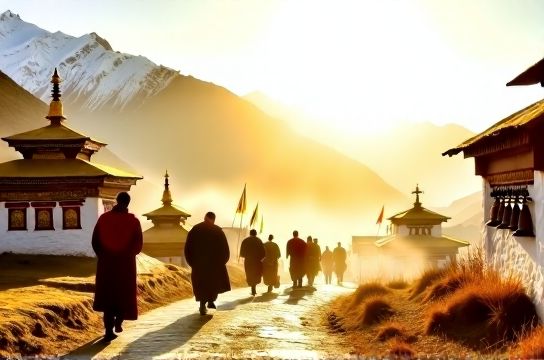
For centuries, Tibetan Buddhists have walked these paths as acts of devotion. Whether it’s a daily kora (a ritual circumambulation) around a monastery or a months-long journey across the Himalayas, walking here is more than movement—it’s meditation in motion.
One of the most iconic starting points is Mount Kailash, though our focus lies deeper in the rural heartland—villages like Driru in Nagqu, Rebkong in Amdo, and Yakru in Kham. Here, pilgrims walk not for fame, but for spiritual renewal.
Let’s break down what makes these journeys so powerful—and how you can respectfully experience them.
Why Walk These Ancient Trails?
- Spiritual Significance: Each step is believed to accumulate merit, purify karma, and bring one closer to enlightenment.
- Cultural Immersion: You’ll pass prayer flags fluttering in the wind, meet nomadic families, and hear chants echoing from hidden gompas (monasteries).
- Natural Majesty: Altitudes range from 3,500 to over 5,000 meters, offering views of snow-capped peaks, turquoise lakes, and vast alpine meadows.
Popular Pilgrimage Routes & Stats
| Village/Region | Route Name | Distance (km) | Avg. Elevation (m) | Duration (Days) |
|---|---|---|---|---|
| Rebkong, Qinghai | Amdo Kora Circuit | 42 | 3,800 | 3–5 |
| Driru, Tibet | Nagqu Sacred Loop | 68 | 4,500 | 6–8 |
| Yakru, Sichuan | Kham Heart Path | 90 | 4,200 | 10–14 |
These numbers don’t just represent distance—they reflect endurance, humility, and deep connection to the land.
Tips for Travelers
Visiting isn’t about ticking boxes. It’s about presence. Here’s how to walk with respect:
- Dress modestly—avoid shorts or revealing clothes near religious sites.
- Walk clockwise—this aligns with Tibetan Buddhist tradition.
- Ask before photographing pilgrims; many prefer privacy during prayer.
- Carry offerings like barley flour (tsampa) or incense to share at shrines.
The air is thin, the trails rugged—but the warmth of village hospitality? That’s off the charts. Locals may invite you in for butter tea, a gesture of kindness rooted in ancient values.
In a world obsessed with speed, these paths remind us that some of the best journeys are slow, intentional, and soul-deep. So lace up your boots, quiet your mind, and walk with tradition.